
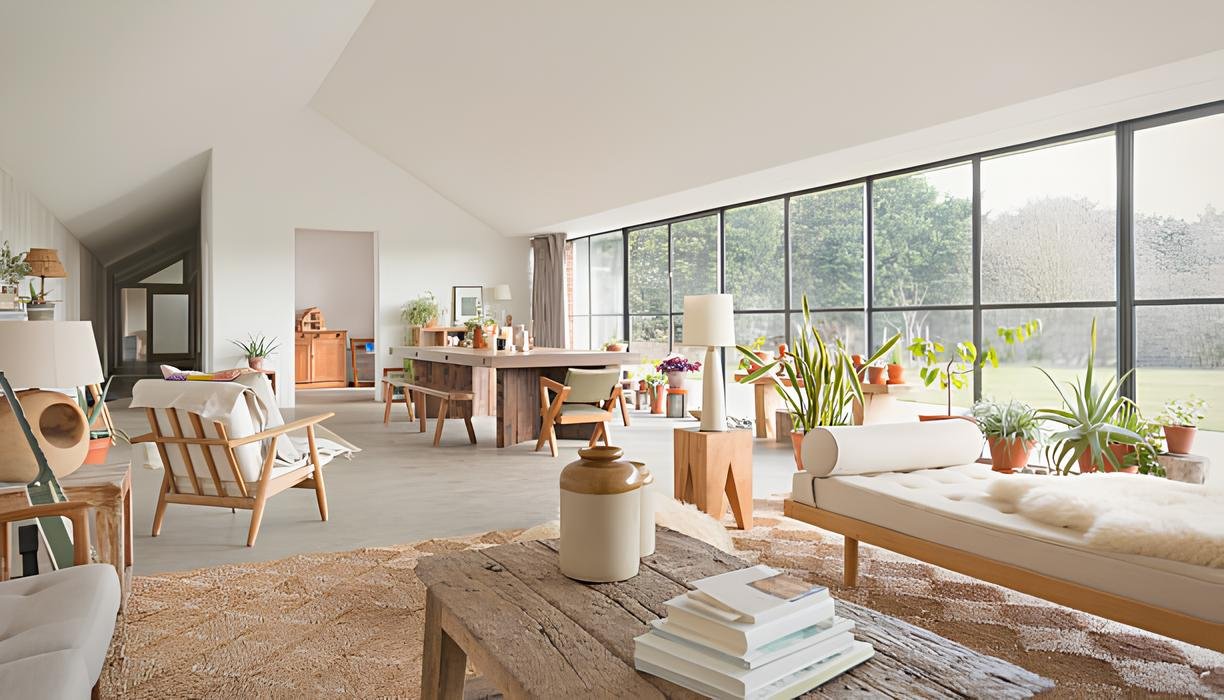
Have you ever walked into a room and felt instantly tense, distracted, or just… off? That puzzled, restless feeling isn’t always about your mood—it often reflects the unseen energy flowing through your environment. Every space we inhabit subtly shapes our thoughts, emotions, and even productivity. Imagine if your home was designed not just for function, but to support your mental clarity and emotional ease, room by room.
The good news is that mental flow isn’t some elusive, mystical state—it’s a natural rhythm you can encourage through thoughtful design choices. From the way light moves to how clutter lands on your surfaces, every element either blocks or boosts your mental currents. Ready to unlock a home that feels like it’s working with your mind instead of against it?
Entryway: Set the Tone for Mental Flow
The first space you encounter can either welcome you or weigh you down. Your entryway functions like the mental doorway, too — it primes your brain to arrive or depart with intention.
Keep this zone clutter-free to avoid stress buildup. Consider adding:
- Functional storage: A sleek bench with shoe storage or built-in cubbies keeps essentials off the floor and mind.
- Natural light and reflective surfaces: Mirrors bounce light, expanding the space visually and mentally.
- Grounding textures: A natural fiber rug or wooden accents create tactile calm that your feet (and brain) appreciate after a long day.
Because the entry is where inward and outward mental states meet, keep colors light and neutral or add a burst of soft color that uplifts without overstimulating.
Living Room: Open & Inviting for Mental Balance
This is your primary social and relaxation hub, so the flow here impacts conversations, creativity, and rest. To nurture mental flow in your living room:
- Create zones: Define spaces for conversation, reading, or quiet moments using rugs, furniture placement, or lighting layers.
- Soft curves over harsh lines: Rounded furniture and accessories naturally encourage movement and ease, rather than rigid mental blocks.
- Include plants: Lush greenery brings nature indoors, which numerous studies link to reduced stress and improved mood.
Arrange seating to foster engagement without forcing eye contact, and minimize excess knick-knacks that can become visual noise.
Use natural materials like wool throws and cotton pillows to add warmth and texture that soothes mental tension.
Home Office: Design for Deep Focus
Whether you work virtually or need a mental corner for bills and planning, your home office deeply affects your ability to concentrate and stay motivated.
Here’s how to optimize:
- Declutter regularly: A clean desk clears the mind and signals readiness.
- Invest in ergonomic furniture: Physical comfort sustains mental endurance over long tasks.
- Harness natural light: Position your desk near a window or use daylight-simulating bulbs.
- Incorporate mood-enhancing colors: Blues and greens boost productivity and calm, while small accents of orange can spark creativity.
- Add plants safe for low light: Such as snake plants or peace lilies, they filter the air and offer subtle visual recharge.
Organize cables, files, and supplies in labeled containers or drawers to eliminate visual distractions and decision fatigue.
Kitchen: Fuel Mental Flow with Organized Energy
The kitchen is the heart of the home and mental nourishment alike. A chaotic kitchen can squash your cooking joy and drain your energy, but with mindful design, it can energize your whole day.
- Keep countertops clear of clutter. Limit appliances on the surface to only essentials.
- Arrange for workflow. Place prep tools, cutting boards, and cooking utensils close to where you’ll use them.
- Use open shelving sparingly. Mix closed storage with open shelves to keep the space feeling light yet orderly.
- Light up your work zones. Under-cabinet LED strips or task lighting help reduce eye strain and sharpen focus.
- Choose calming colors and natural materials. Creams, soft blues, and stone counters elevate mood and create a peaceful cooking atmosphere.
For those wanting the ultimate kitchen experience, selecting efficient appliances can also reduce mental clutter. You might explore how induction vs. gas cooktops influence the vibe and efficiency of your cooking cave.
Bedroom: Cultivating a Restful Mental Retreat
Sleep is foundational for mental clarity, so your bedroom’s design should of course support rest and recovery.
- Use soft, muted colors. Cool blues, gentle greens, and warm neutrals soothe the nervous system.
- Invest in blackout curtains. Darkness is critical for melatonin production and deep sleep cycles.
- Keep electronic devices out. The blue light they emit disrupts sleep quality and mental restoration.
- Declutter regularly. A clear space encourages a clear mind, reducing racing thoughts at night.
- Add calming scents. Lavender or chamomile essential oil diffusers promote relaxation.
Consider this your sanctuary for mental detox — where deliberate design choices gently cue your brain to unwind and reset.
Bathroom: Reset and Recharge Spaces
Your bathroom may feel like a quick stop on the mental flow journey, but it’s also a place for self-care and mental reset.
Enhance this space by:
- Maintaining great lighting. Layer natural daylight with warm, flattering bulbs to energize mornings and calm nights.
- Decluttering regularly. Keep surfaces clear and use storage solutions to reduce visual chaos.
- Incorporating tactile, calming elements. Soft towels, natural wood accents, and greenery invite comfort.
- Adding aromatherapy. A few drops of eucalyptus or peppermint can invigorate body and mind.
By designing your bathroom this way, you create a mini mental spa — turning quick routines into moments of mindfulness and care.
Frequently Asked Questions
How does color choice affect mental flow at home?
Colors influence mood and behavior. Soft, muted tones generally promote calm and focus, while bright or highly saturated colors can stimulate or overwhelm. Tailor color to each room’s purpose.
What are easy ways to reduce clutter-related mental blocks?
Implement small daily habits: a 10-minute tidy-up, designated drop zones, and regular donations help keep clutter from accumulating and clogging mental energy.
Can plants truly impact mental well-being indoors?
Yes, plants improve air quality and provide visual relief that reduces stress hormones. Selecting resilient, low-maintenance indoor plants makes this effortless.
Designing With Intention for a Home That Supports Your Mind
Your home isn’t just a physical refuge—it’s a mental one, too. By intentionally shaping the environment in every room, you gently guide your brain toward clarity, creativity, and calm. These room-by-room design choices may seem small in isolation, but together they weave a powerful fabric that uplifts your mental flow day after day.
Remember, no two homes or minds are exactly alike, so personalize these tips to fit your unique rhythms and needs. For example, pairing your calm kitchen setup with mindful meal prep routines can enhance not just comfort but energy levels—much like how boosting natural energy without caffeine supports daily vitality without the crash.
Ultimately, your home should inspire and support the best version of you. Start with one room, tweak gently, and watch how your mental flow improves alongside your surroundings.

1 comment
shop microdose thc edibles for gentle balanced effects