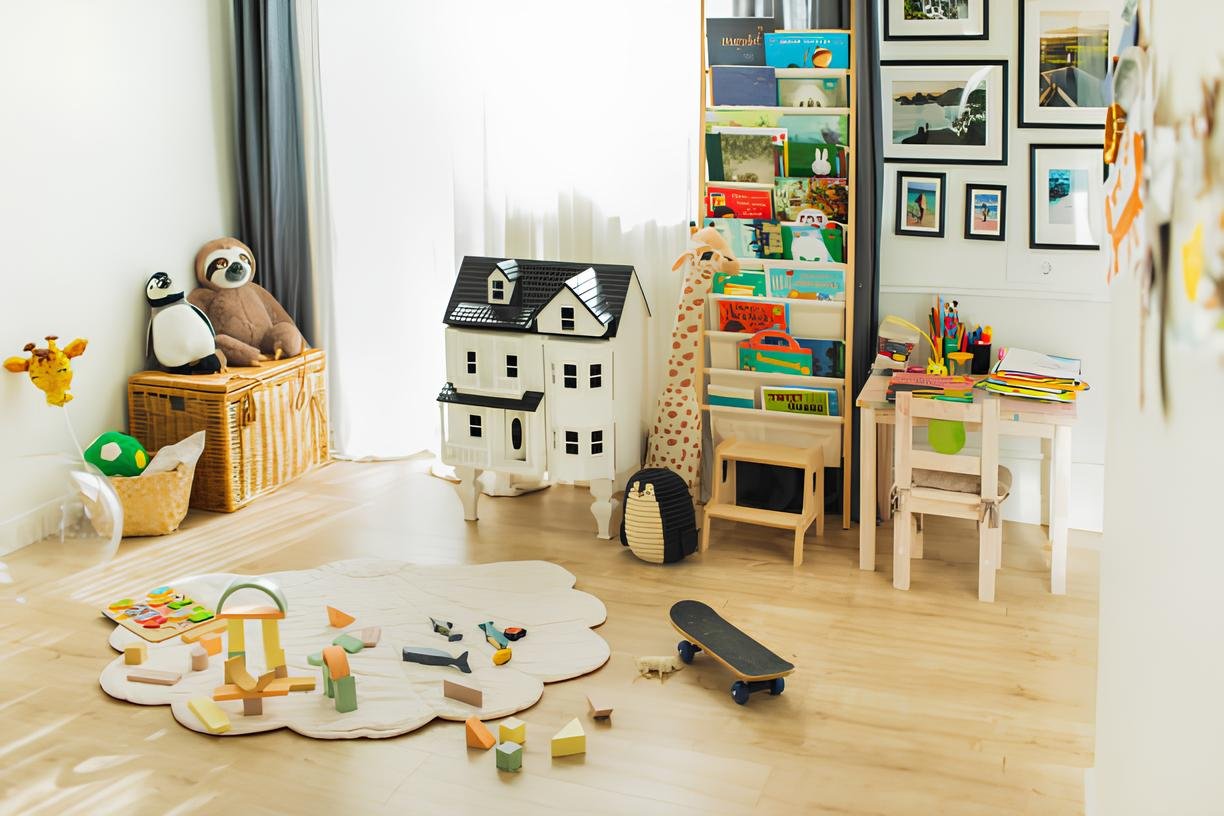
As you step into a room filled with colorful blocks, scattered crayons, and the faint hum of imaginative chatter, it’s easy to witness the magic that unfolds when a child is free to create. But have you ever paused to think about how the very layout of that space shapes the rhythm of creativity?
Children’s playrooms are more than just storage areas for toys—they are incubators of imagination, exploration, and learning. The right arrangement can spark endless possibilities, encouraging little ones to test ideas, experiment boldly, and express themselves fully. So how do you transform a simple playroom into a vibrant atelier that nurtures creativity at every turn?
Crafting Zones for Different Types of Play
Children’s creativity thrives when the playroom supports various styles of engagement. Dividing the space into distinct zones helps kids transition between activities—from quiet focus to active movement—while fostering different creative muscles.
Consider these key zones:
- Art and Craft Zone: A dedicated spot with an adjustable table, art supplies, paper, and washable surfaces invites young Picassos and builders to explore color and texture.
- Reading Nook: Cozy cushions, soft lighting, and shelves stocked with picture books nurture imagination through stories and encourage language development.
- Construction and Building Area: Whether with blocks, magnetic tiles, or LEGO bricks, this zone allows hands-on problem solving and spatial reasoning.
- Active Play Space: A clear area for movement and pretend play helps children burn energy and act out their wildest adventures.
- Quiet Reflection Spot: This can be a small tent, bean bag, or soft rug providing downtime, supporting emotional regulation and independent thinking.
Creating these zones respects the natural ebb and flow of kids’ interests. It’s like setting up a playground for the mind—the layout itself gently guides children to explore their creative potential across multiple dimensions.
Furniture That Inspires Exploration
Every piece of furniture holds the potential to inspire or inhibit creativity. When thoughtfully chosen, furnishings become an extension of a child’s imagination and a tool for independence.
Look for:
- Modular and Multi-Use Pieces: Stackable cubes, fold-away tables, or lightweight chairs that children can rearrange encourage autonomy and adaptability.
- Art-Friendly Surfaces: Tables with easy-to-clean tops, chalkboard walls, or easels support spontaneous artistic expression without worry of mess.
- Accessible Shelving: Open shelves at child height allow kids to see and reach materials easily, boosting decision-making and ownership.
- Soft Seating Options: Cushions or small sofas invite brainstorming sessions, reading marathons, or quiet thinking.
Furniture that invites interaction and invites personalization turns a standard room into a laboratory of creativity. Plus, choosing comfortable and functional pieces encourages kids to linger, experiment, and imagine.
Tip
Try to use furniture with rounded corners and soft edges for safety without sacrificing style or utility.
Try to use furniture with rounded corners and soft edges for safety without sacrificing style or utility.
Smart Storage to Foster Independence
Creative play flourishes when children can easily access their tools and put them away themselves. Storage isn’t just about tidiness; it’s about empowering kids to engage fully and confidently in their activities.
Storage ideas that spark creativity include:
- Clear Bins and Labeled Containers: Transparent storage helps kids identify contents, promoting organization skills and independence without frustration.
- Rotating Toys: Keep only a selection out at any time and store the rest. This reduces overwhelm and keeps the playroom feeling fresh.
- Vertical Storage: Use wall-mounted bins or pegboards to make the most of space and keep favorite tools visible and within reach.
- Creative Displays: Showcasing children’s latest artwork or creations not only decorates the room but also nurtures a sense of pride and accomplishment.
When kids know where things belong, they’re more likely to maintain order and re-engage creatively without constant adult intervention.
Lighting and Textures That Stimulate the Senses
Creativity is a sensory experience. A well-lit, tactile-rich playroom can awaken curiosity and deepen engagement.
Maximize sensory stimulation by considering:
- Natural Light: Whenever possible, position areas near windows to benefit from daylight. Natural light boosts mood and alertness, fueling creative energy.
- Layered Lighting: Use adjustable overhead lights combined with task lamps or fairy lights. Dimmable options can transition the room’s mood with the activity or time of day.
- Varied Textures: Incorporate rugs, soft beanbags, woven baskets, and textured walls or cushions to provide sensory variety—important for brain development.
- Calming Colors: Soft pastels and warm neutrals create a welcoming atmosphere, while splashes of bright colors can energize specific areas like the art table.
The right lighting and tactile elements align the senses, allowing children to dive deeper and longer into their imaginative projects.
Encouraging Open-Ended and Social Play
Spaces that permit children to invent games, make up stories, and collaborate unleash some of the most meaningful creative growth.
Design elements to inspire open-ended and social play include:
- Flexible Floor Space: An open area rug or foam mats allow for building forts, playing house, or setting up board games with friends or siblings.
- Imaginative Props: Costumes, puppets, and generic blocks without a specific purpose let children dream up their own uses.
- Community Art Wall or Chalkboard: These encourage shared creativity and spontaneous expression while building communication skills.
- Adjustable Seating for Groups: Poufs, stools, or floor cushions that can be moved support collaboration and inclusivity.
The freedom to reconfigure, invent, and share stories turns the playroom into a microcosm of real-world creativity—a practice lab for problem-solving, empathy, and innovation.
FAQ
How can I create a creative playroom in a small space?
Use vertical storage, multi-functional furniture, and defined zones using rugs or screens. Rotate toys to keep clutter manageable.
What kind of lighting is best for a playroom?
A combination of bright natural or daylight bulbs for activity zones and softer, warmer lights in relaxation spaces works best.
How do I encourage my child to tidy up after playing?
Make storage intuitive and accessible. Turn tidying into a game or set a timer to create fun routines. Celebrate small wins to build habits.
Imagining the Room as a Canvas
Designing a playroom that fuels creativity is about curating an environment as dynamic and limitless as a child’s mind itself. The layout is your canvas, and every choice—furniture, lighting, storage—serves as a brushstroke in cultivating curiosity and confidence.
When children feel safe, inspired, and in control of their space, they don’t just play—they invent worlds, tell stories, and develop skills that last a lifetime. Parents and caregivers supporting this kind of environment create a foundation that extends far beyond the walls of the playroom.
Discover more inspiration by pairing your playroom design with strategies on how to create a cozy reading nook, weaving calm and curiosity throughout your home’s spaces.