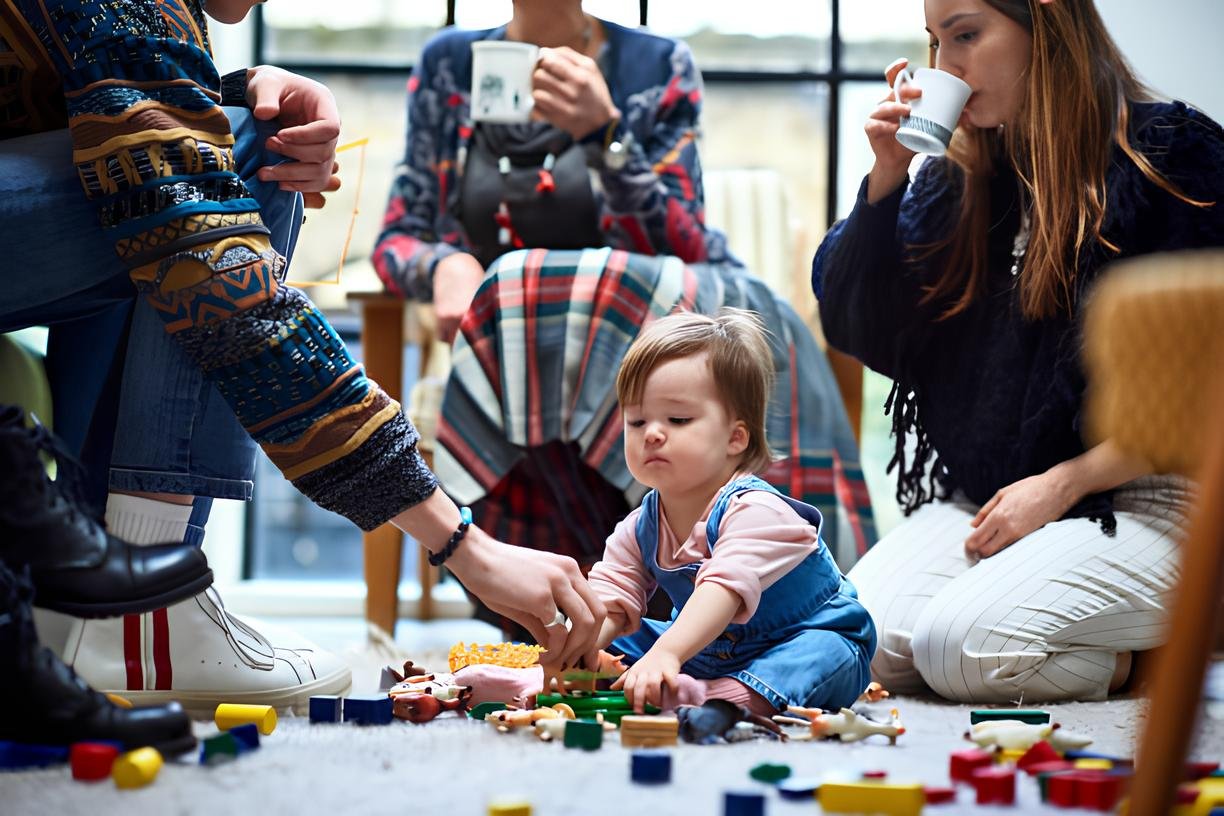
Have you ever watched a toddler’s world unfold in bursts of energy and fleeting attention? One moment they’re captivated by a colorful toy, and the next, their focus is gone—like a butterfly flitting from flower to flower. Helping little ones develop patience and focus feels like nurturing a delicate seed that can bloom into lifelong skills. But how do you do that in a way that doesn’t feel like a battle or a tutoring session?
The answer may lie in play itself. Games—simple, fun, and engaging—can magically transform moments of impatience into golden opportunities for learning self-control and sharpening attention. These are not just any games; they’re thoughtfully designed or chosen to gently challenge toddlers’ emerging ability to wait, concentrate, and practice mindfulness, all disguised beneath joyful activity.
Why Focus and Patience Are Essential for Toddlers
Patience and focus are the building blocks of emotional resilience and cognitive growth. When toddlers learn to delay gratification and sustain attention—even for a few minutes—they set the stage for skills they’ll use throughout life, from problem-solving to social interaction.
But toddlers are naturally wired for exploration and have short attention spans. Their brains are rapidly developing but still need practice to regulate impulses. Games designed with this in mind can support this growth by offering safe, enjoyable challenges that encourage waiting turns, listening, and concentrating.
Long before reading or math, these foundational skills enrich learning readiness and emotional wellbeing. In fact, mastering patience can help reduce toddler tantrums by teaching children to navigate frustration with a trusted activity. The playful process makes development feel like discovery, not work.
Classic Games That Build Patience and Focus
Some games have stood the test of time because they naturally lend themselves to practicing waiting and paying attention. Introducing these classics during playtime can be both nostalgic for parents and transformative for toddlers.
- Simon Says: This game requires careful listening and impulse control. Toddlers must focus on instructions and only act when the phrase “Simon says” is included. It’s a fun way to practice attention switching and self-regulation.
- Red Light, Green Light: Perfect for teaching impulse control and motor inhibition. Toddlers must freeze instantly when “red light” is called and move only on “green light.” The excitement boosts engagement, while teaching the power of pause.
- Memory Matching Cards: This quiet game encourages visual focus and cognitive patience. Flipping cards to find pairs demands concentration, while the element of delay helps toddlers stay calm and return their attention repeatedly.
- Board Puzzles: Simple wooden peg puzzles or chunky jigsaw puzzles invite problem-solving with moderate challenge. Fitting pieces correctly requires toddlers to focus and exhibit persistence, nurturing patience one piece at a time.
Start with short game intervals—three to five minutes for toddlers—and gradually increase to build their stamina for focus and patience.
Interactive and Sensory-Rich Games That Engage Toddlers’ Senses
For toddlers, sensory engagement is a pathway to focus. Games that incorporate touch, sound, and movement can capture their attention while subtly fostering patience and concentration.
- Bean Bag Toss: This game encourages hand-eye coordination, controlled movements, and taking turns. Lining up bean bags or targets builds focus, while waiting for their turn teaches patience naturally.
- Musical Statues: Tantrums and chaos often follow stimulation overload, but this game balances excitement with moments of stillness, helping toddlers practice self-control and steady attention.
- Playdough Modeling: Squishing, rolling, and shaping playdough requires fine motor skills and sustained focus. The tactile feeling calms many toddlers, extending their patience as they create.
- Water Play with Cups and Spoons: Filling, pouring, and stirring gently encourages measurement awareness, concentration, and the patience to try again if a spill happens.
These activities operate on the principle that joy and learning don’t compete—they co-exist. Sensory-rich games are a gentle edge to stretch the toddler’s focus capacity without turning play into pressure.
Creative Play Ideas to Cultivate Focus and Waiting Skills
Creativity itself asks for moments of stillness between bursts of imagination. Here’s how you can weave games that promote focus and patience into open-ended play:
- Story Building Blocks: Use colorful blocks to build simple structures, narrating a story along the way. Ask your toddler to anticipate certain steps or wait their turn to add blocks, encouraging patience and sequence awareness.
- Color Sorting with Pom-Poms: Challenge toddlers to sort pom-poms or buttons by colors into containers. It invites sustained attention and teaches categorization—a foundational cognitive skill.
- Hide and Seek With Toys: Hide a favorite toy and create clues for your toddler to find it. This game promotes problem-solving, sustained attention, and the excitement of delayed gratification when the toy is finally discovered.
- Listening Walks: Take short nature walks focusing on sounds around you. Challenge toddlers to listen carefully and identify different noises, teaching mindfulness and auditory focus.
Creative play is fertile ground for patience because it unfolds at toddler pace. The focus comes from curiosity, which is one of the most powerful motivators in childhood.
Encourage your toddler to take a breath and ‘pause’ before starting any new step in a game—it develops awareness and patience.
Balancing Screen Time With Focus-Boosting Play
In today’s digital age, screens are ever-present. While some toddler-friendly apps and programs offer engaging content designed to build attention, balance is crucial. Too much screen time can sometimes work against cultivating natural patience.
Experts recommend limiting screen time for toddlers to no more than 1 hour per day of high-quality programming. Integrate screen use with offline games that invite interactive, physical play and problem-solving.
Interactive apps that encourage turn-taking, waiting for cues, or focus under timed challenges can complement—but never replace—real-world games that involve sensory input and social interaction.
To maintain a healthy digital balance, consider creating a dedicated “playtime” space for tactile games, puzzles, or building activities. This intentional routine signals to toddlers when it’s time to engage mindfully, away from digital distractions.
FAQ
How can I tell if my toddler is improving in patience?
Look for small signs like them waiting a few extra seconds before grabbing a toy or sitting through a short story without interruption.
Are there age-appropriate games for 1-year-olds?
Yes! Simple cause-and-effect toys, pat-a-cake, and peek-a-boo are great starters for building early attention and patience.
What if my toddler gets frustrated easily?
It’s perfectly normal. Use calming breaks, model patience yourself, and celebrate small successes to encourage them without pressure.
Can these games improve focus long term?
Consistently playing patience and focus games builds neural pathways that support self-regulation well into childhood and beyond.
Setting the Stage for Lifelong Mindfulness
Teaching patience and attention to toddlers doesn’t happen overnight, nor does it require formal lessons. It blossoms in moments of shared play that respect their developmental rhythms and celebrate curiosity.
Choosing the right games—whether classic, sensory, or creative—turns gentle challenges into joyful discoveries. As toddlers learn to wait, focus, and engage, they’re not only mastering games but building the emotional roots of resilience and calmness.
Say goodbye to frustration-filled attempts and welcome an approach that invites both toddlers and parents into the playfulness of growth. If you’re interested in broadening your family’s wellness routine, our article on simple ways to create presence in a distracted household offers great insights to support sustained focus for all ages.