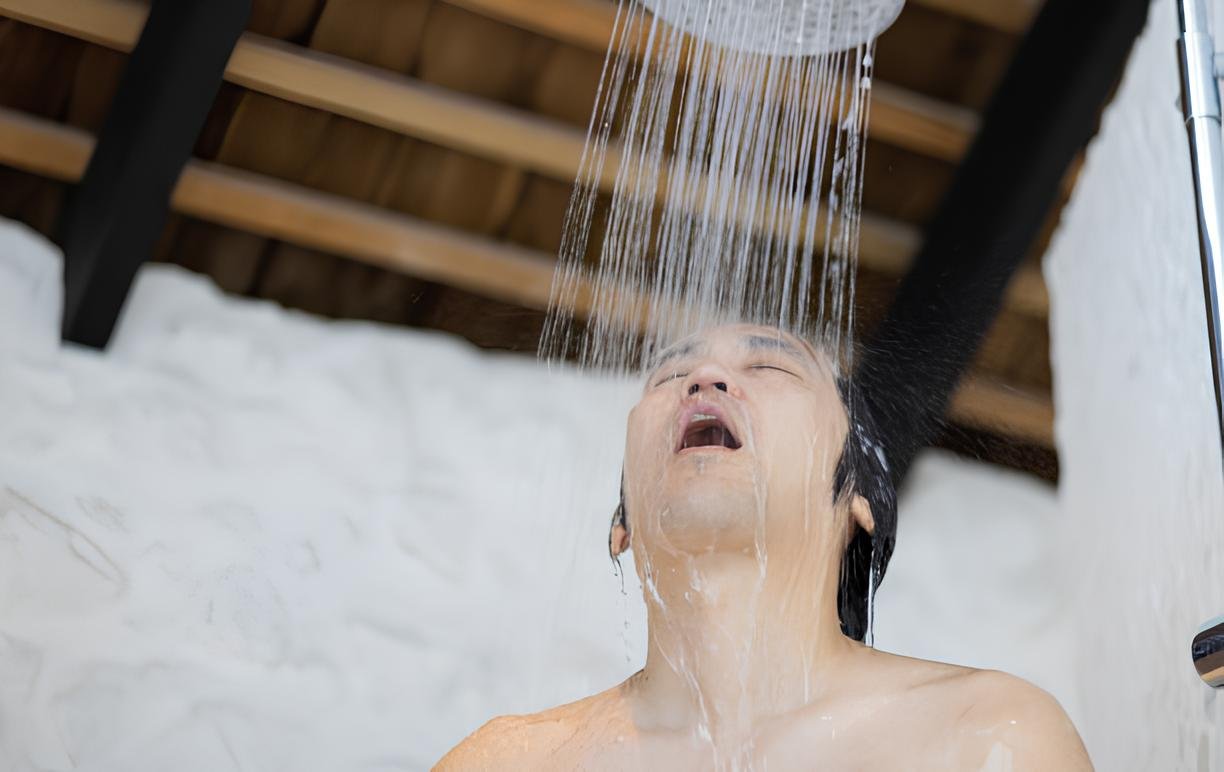
Have you ever stepped out of a warm shower only to gasp at the sudden chill of a cold splash? It’s startling and, frankly, not everyone’s favorite way to wake up. But across cultures and wellness circles, a frosty shower has been hailed as a surprisingly powerful ritual—one that could significantly fortify your immune system and boost overall resilience to illness. It’s counterintuitive, maybe even a little shocking, but the benefits might just make you rethink your daily routine.
The Science Behind Cold Showers
Cold showers involve exposing your body to cold water—typically below 70°F (21°C)—for brief periods. Though it might feel harsh, this exposure activates several physiological responses that promote wellness.
When cold water hits your skin, your body triggers a natural defense: blood vessels constrict to preserve heat (vasoconstriction), heart rate increases, and breathing becomes faster and deeper. These reactions together stimulate your sympathetic nervous system and release a surge of adrenaline and other stress hormones.
This controlled and temporary stressor acts similarly to exercise by forcing your body to adapt and strengthen. Scientists sometimes refer to this as “hormesis”—a beneficial response to low-dose stress that can improve health parameters over time.
Cold exposure also stimulates brown adipose tissue, or brown fat. This unique fat type burns calories to create heat, contributing to thermogenesis. As brown fat activation is linked with improved metabolism and energy expenditure, this sheds light on why cold showers might tie into overall vitality.
Why Cold Showers Could Strengthen Your Immune System
One of the most intriguing effects of cold showers is their potential to strengthen the immune response. Several studies suggest cold exposure can trigger an increase in the production and activity of white blood cells, the body’s frontline defenders against pathogens.
A 2016 study in the PLOS One journal observed that people who took cold showers had a 29% reduction in sick leave from work, implying improved resistance to common infections. Those regular cold-shower takers experienced fewer instances of colds and flu than those who stuck to warm water exclusively.
How does it happen? Cold exposure is thought to enhance the body’s inflammatory response by increasing cytokines—signaling proteins that regulate immune reactions. It primes the immune cells to react more vigorously, ready to detect and attack viruses and bacteria.
Other mechanisms at play include increased circulation which helps flush toxins through the lymphatic system, and stimulation of the vagus nerve which in turn regulates inflammation control pathways.
In a nutshell, cold showers can act almost like a natural vaccine booster, arming your immune system by keeping it alert and reactive without causing significant inflammation or harm.
Additional Mental and Physical Benefits of Cold Showers
Beyond immune support, cold showers bring along an array of benefits that contribute to overall health and mental clarity.
- Enhanced Mood and Reduced Stress: Cold water triggers a flood of endorphins – the body’s natural “feel-good” chemicals – which can alleviate symptoms of depression and anxiety. The invigorating shock also improves alertness and focus.
- Improved Circulation and Skin Health: The vasoconstriction followed by vasodilation (when warming up again) promotes blood flow, delivering oxygen and nutrients to tissues and promoting healthy skin.
- Muscle Recovery and Reduced Inflammation: Athletes often use cold water immersion to reduce soreness after exercise. The cold slows down cellular metabolism, limiting inflammation and speeding recovery.
- Increased Metabolism and Weight Management: Stimulating brown fat and activating thermogenesis can modestly increase calories burned daily.
Incorporate a gradual transition from warm to cold finishes in your shower to ease your body into the practice. Start with 15 seconds of cold and build up over time.
How to Start a Cold Shower Practice Safely
If you’re new to cold showers, the key is a gentle introduction rather than diving straight into icy water. Here are some practical strategies to build your resilience:
- Start Warm: Begin your shower with comfortable warm water to relax your muscles.
- End Cold: Gradually turn the water cooler for the last 15 to 30 seconds before stepping out, allowing your body to adjust.
- Breathe Deeply: Slow, controlled breaths help manage the initial shock and cardiovascular response.
- Time It Right: Early mornings can be an energizing time to take a cold finish, but find what fits your routine best.
- Consistency Pays Off: Aim for daily or alternate-day practice to build tolerance and reap ongoing benefits.
Some enthusiasts even schedule dedicated cold-water immersion sessions in addition to showers, like cold baths or natural body dipping, but showers remain the most accessible method.
Precautions: When to Skip or Modify Cold Showers
While many people can safely enjoy cold showers, some should exercise caution or avoid them altogether.
- Cardiovascular Conditions: The abrupt vasoconstriction and increased heart rate may strain people with heart disease, hypertension, or arrhythmias.
- Respiratory Disorders: Asthmatics or those prone to bronchospasm might find cold water triggers symptoms.
- Cold Intolerance: Individuals with Raynaud’s phenomenon or weakened immunity should be cautious.
- Pregnancy: Consult your healthcare professional before adopting cold exposure practices.
If you experience dizziness, shortness of breath, chest pain, or excessive shivering during cold showers, discontinue immediately and seek medical advice.
Frequently Asked Questions
How long should I stay under cold water for immune benefits?
Starting with 15–30 seconds is plenty. Gradually work up to 1–2 minutes over several weeks.
Are cold showers safe for children?
Brief exposure may be safe for healthy kids gradually acclimated but always consult a pediatrician first.
Can cold showers replace flu vaccines?
No, cold water exposure supports immunity but doesn’t replace the protection vaccines offer.
Will cold showers make me catch a cold?
No. Colds are caused by viruses, not temperature, but cold showers can strengthen your immune defense over time.
Reconsidering the Cold
While the idea of embracing chilly water might initially feel like a punishment, the many benefits of cold showers – from bolstering your immune system to lifting your mood and improving circulation – paint a compelling picture. The sting of cold water quickly fades in comparison to the lasting vitality it can offer, turning a daily habit into a wellness ritual.
For those interested in broadening their natural wellness practices, integrating cold showers alongside other healthy habits like boosting natural energy without caffeine or adopting mindful movement routines can create a powerful, holistic foundation for enduring health.
So next time you’re tempted to skip the cold tap, invite a little frost—your immune system might just thank you.