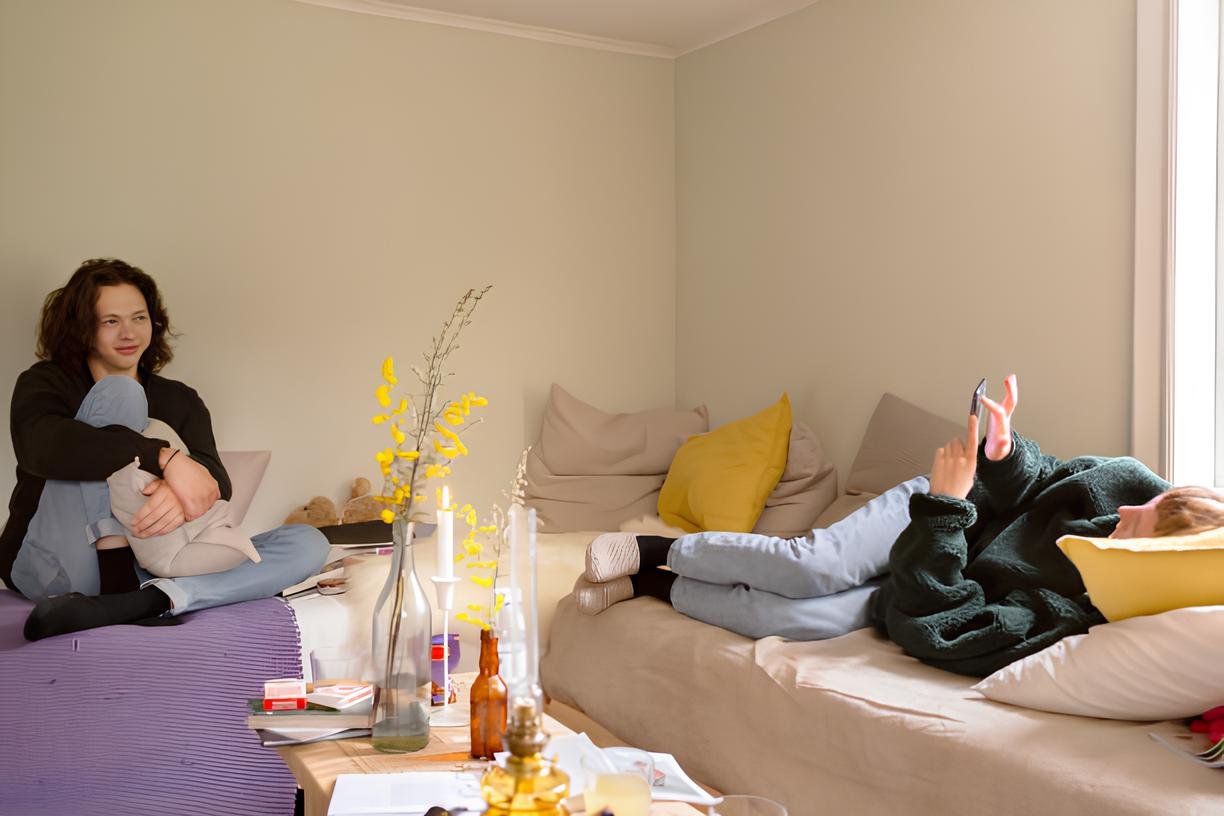
Have you ever felt like life is rushing by too quickly? Maybe it’s the constant ping of notifications or the endless to-do lists pulling your attention in every direction. Amidst this hustle, there’s a quieter, gentler rhythm emerging—a conscious choice to slow down, savor moments, and be present. What if you could capture that feeling, not as a vague ideal but as a tangible experience? Imagine dedicating just one weekend to embracing a slower pace, where time feels expansive, your senses awaken, and stress eases.
That’s the heart of a “slow living” weekend—a chance to step off the treadmill of modern life and find clarity, joy, and balance in simplicity.
What Is Slow Living?
More than just a trend, slow living is a mindful philosophy that invites us to savor life’s everyday moments rather than rushing through them. Rooted in the global Slow Movement, it started as a counterpoint to fast food culture but has since evolved into a broader lifestyle embracing intentionality, presence, and connection.
Slow living encourages simplifying tasks, reducing distractions, and focusing deeply on what truly matters—whether that’s nurturing relationships, connecting with nature, or cultivating creativity. It’s about quality over quantity and living with awareness in every act, from preparing a meal to taking a walk.
Think of it as giving yourself permission to breathe fully and experience life at a gentler, more nourishing pace.
Why a Weekend Matters
Taking a full weekend to immerse yourself in slow living can be transformative. Unlike a quick hour of relaxation squeezed between tasks, dedicating two days provides:
- Time to Reset: Offering a real break from deadlines and distractions, a slow living weekend acts as a soft reset button for your mind and body.
- Rebalanced Energy: Slowing down naturally restores mental clarity and physical vitality, allowing you to reconnect with your natural rhythms and reduce burnout.
- Heightened Awareness: When rushed, we miss the small, beautiful details of life. Unhurried, you cultivate attentiveness to flavors, sounds, and feelings that often go unnoticed.
- Improved Wellbeing: Studies suggest that mindfulness practices integral to slow living reduce stress hormones and foster emotional resilience—benefits hard to replicate in fleeting moments of calm.
When you prioritize a slow weekend, the benefits ripple into the weekdays: better focus, more patience, and a nurtured sense of contentment.
Planning Your Slow Living Weekend
Preparation helps turn the ideal into reality. Here’s a gentle guide to set you up for restful, meaningful slow living.
- Clear Your Schedule: Shift commitments and obligations out of your weekend if possible. Protect your time from work emails or social engagements.
- Limit Screen Time: Plan to step away from devices, or set purposeful windows to check messages. This reduces the noise and cultivates presence.
- Create a Simple Space: Declutter your immediate environment ahead of time. A calm, tidy setting supports quieter thoughts.
- Gather Nourishing Supplies: Stock up on favorite whole foods, herbal teas, and cozy comfort items like blankets or candles to enhance your sensory experience.
- Inform Others: Let family or friends know you’ll be unplugged or have minimal availability—to avoid interruptions and protect your solo or shared slow time.
Start small! If a full weekend feels daunting, try committing to one slow day and expand gradually as you feel comfortable.
Best Practices and Activities
More than just a mindset, slow living weekends flourish through experiential activities that ground you in the moment. Here are some to inspire your own journey:
1. Mindful Mornings
Wake up without alarms or to a gentle tone. Savor your morning coffee or tea with intention—notice the aroma, flavor, warmth. Skip screens and give yourself at least 30 minutes to move slowly and connect inwardly.
2. Nature Connection
Spend time outdoors in natural settings like parks, gardens, or even your backyard. Observe the seasons, listen to birdsong, or take a mindful walk. This not only restores your senses but aligns you with the natural rhythms often lost in urban life.
3. Slow, Nourishing Meals
Cook simple meals from scratch, focusing on wholesome ingredients. Enjoy your food without distractions—set the table, chew slowly, and appreciate the textures and tastes. This form of mindful eating supports digestion and emotional satisfaction.
4. Tech-Free Creative Time
Dabble in creative outlets such as journaling, drawing, knitting, or gardening. The goal isn’t perfection but immersion and flow, tapping into your innate creativity and calm.
5. Restorative Movement
Include gentle yoga, stretching, or tai chi to tune into your body’s needs and enhance circulation without strain. These intentional movements soothe physical tension and cultivate body awareness.
6. Evening Rituals for Ease
Wind down with calming practices such as reading (physical books preferred), meditation, or listening to soft music. Dim lighting and quiet spaces nurture relaxation and prepare you for restorative rest.
Engaging in these activities reflects the heart of slow living—being fully present, appreciating simplicity, and nourishing yourself on multiple levels.
Common Challenges and How to Navigate Them
Despite best intentions, embracing a slow living weekend isn’t always easy in a culture wired for speed. Here’s how to address some common roadblocks:
- Restlessness: Slowing down can initially feel uncomfortable if you’re used to constant activity. Try guided meditation or breathing exercises to anchor your mind.
- Guilt: Many feel uneasy pausing productivity. Remember, intentional rest boosts overall performance and wellbeing. Think of your slow weekend as necessary self-investment.
- Interruptions: Distractions from family or work beckon. Set clear boundaries ahead of time and communicate your needs lovingly but firmly.
- Planning Pressure: Ironically, over-planning can add stress. Allow your schedule flexibility to flow with how you feel moment to moment.
- Digital Draw: Smartphones can be persistent temptations. Consider turning off notifications or using apps that limit usage during your slow period.
Remember that slow living is a practice, not perfection. Each attempt, even with hiccups, builds muscle memory for calmer living.
If persistent anxiety or depression interrupts your ability to slow down, seek support from qualified mental health professionals. Slow living complements but is not a substitute for clinical care.
Frequently Asked Questions
Can I do a slow living weekend with family or kids?
Absolutely! Tailoring activities to include mindful family moments—like nature walks, tech-free meals, or creative projects—can deepen connections and model healthy habits for children.
Do I need to travel somewhere to enjoy it?
Not at all. Slow living is more about mindset than location. Creating a peaceful weekend at home, a nearby park, or your favorite quiet cafe can be equally restorative.
How often should I commit to slow living weekends?
Even once a month can make a significant difference. Some choose weekly slow days combined with monthly weekends for deeper rest.
Is slowing down the same as being lazy?
No, slow living is intentional and active in its mindfulness. It’s about quality and presence, not passivity or avoidance.
Inviting Peace and Presence Into Your Days
In a world that rarely pauses, choosing a slow living weekend is a radical act of self-kindness. It offers you space to rest, realign, and reconnect—with yourself, your environment, and those you love.
This mindful approach can deepen your appreciation of simple pleasures and build resilience against daily pressures. As you explore what it means to slow down for a couple of days, you might discover that the true gift is a lasting shift in how you live every day.
For more ideas on nurturing balance, you might find inspiration in learning how to boost your natural energy without caffeine this summer—a perfect complement to the calm restoration slow living inspires.