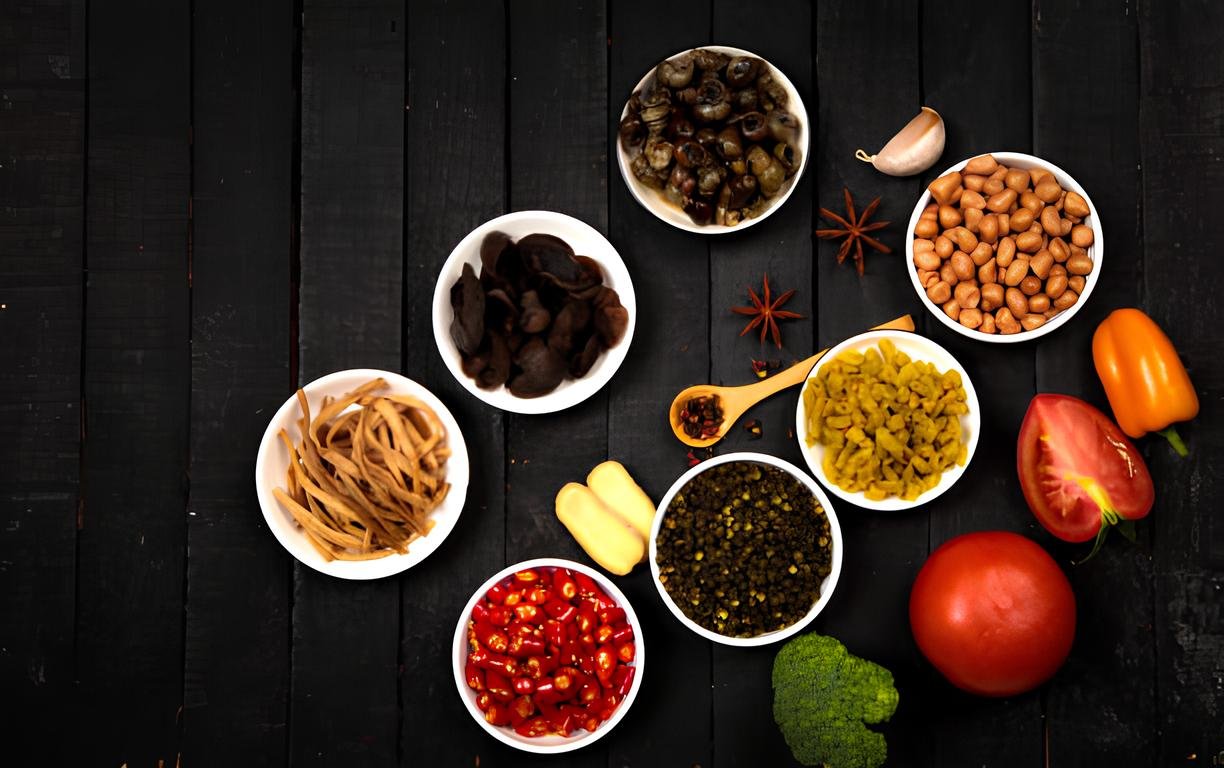
Have you ever noticed how just a simple change in your diet’s rhythm can transform more than your waistline? When the seasons shift, something remarkable happens in the kitchen—and surprisingly, in your mood too. Imagine grabbing a sun-ripened peach in the heat of summer or savoring a velvety butternut squash pie in the crisp fall air. These aren’t just moments of culinary joy; they are nature’s gentle cues, guiding our brain chemistry and emotional wellbeing in ways modern science is only beginning to uncover.
Why Seasonal Eating Impacts Mood More Than You Think
Our ancestors didn’t have year-round access to every fruit or vegetable. Instead, they ate what was freshest in their environment, allowing their bodies to naturally align with the rhythms of nature. This synchronicity affects not just physical health but also emotional wellbeing. While it might seem old-fashioned, eating seasonally supports vital hormonal balances and neurotransmitter production—critical players in how we feel day-to-day.
Research points to the fact that fresh, seasonal produce contains higher levels of essential nutrients like vitamins, antioxidants, and minerals at their peak. These nutrients serve as cofactors for neurotransmitter synthesis—serotonin, dopamine, and GABA—all of which regulate mood, motivation, and calmness.
Think of your mood as a garden. Eating out of season is like planting seeds when conditions aren’t quite right. Nutrients are the water and sunlight, essential to help emotional resilience flourish. When you embrace seasonality, you’re working with a natural cycle, not against it, giving your mood the nourishment it needs to thrive.
The Nutritional Symphony of Seasonal Flavors
Have you ever wondered why that juicy strawberry tastes so much better in June than in January? Beyond flavor, the nutritional profile changes many don’t realize how significantly. Seasonal foods are harvested at their peak, which means they pack a more potent punch of vitamins and minerals essential for brain health.
Take leafy greens, for example—kale and Swiss chard appear abundantly in cooler months, bringing folate, magnesium, and vitamin C in formidable amounts. Folate is linked to the production of serotonin, a neurotransmitter that regulates mood and anxiety. Conversely, summer’s bounty of berries offers high antioxidant capacities that help reduce inflammation in the brain, a known contributor to depression and negative mood states.
One study even showed that diets rich in a variety of fresh, colorful produce naturally timed with seasons correlated with lower rates of depressive symptoms. This aligns with the idea that food is medicine—not just in a physical sense but also emotionally.
The Brain-Gut Connection and Seasonal Foods
Recent discoveries reveal that the gut plays a monumental role in emotional health. It’s sometimes called the “second brain” due to its extensive network of neurons and its ability to produce mood-modulating neurotransmitters.
Eating seasonally often means consuming less processed food and more whole fruits, vegetables, and fermented items, which are beneficial for gut microbiome diversity. A flourishing gut microbiota can enhance serotonin production—up to 90% of the body’s serotonin is made in the gut, influencing mood and even sleep.
Seasonal eating also bolsters fiber intake. Seasonal fruits and vegetables are natural prebiotics, feeding healthy gut bacteria, which in turn support mental clarity and reduce symptoms of anxiety.
Incorporating seasonal fermentation, like sauerkraut in fall or kimchi in winter, offers probiotics that can enhance gut integrity and brain signaling pathways. Pairing your seasonal diet with mindful eating practice, as explored in Discover the Power of Mindful Eating to Enhance Your Health and Wellness, can deepen this connection.
If you’re new to seasonal eating, start by visiting local farmers’ markets or signing up for produce boxes that focus on current harvests. Your mood will thank you for the nutrient-dense, flavorful picks.
How to Start Eating Seasonally for Emotional Wellness
Adopting a seasonal eating pattern might sound daunting if you’re used to supermarket staples year-round. But it’s simpler than it seems. Here’s how to begin:
- Know your growing seasons: Familiarize yourself with what’s in season in your region—this changes from north to south and by climate zone.
- Shop local first: Farmers markets, local co-ops, and community-supported agriculture (CSAs) are gold mines for fresh, seasonal produce.
- Plan your meals around seasonal highlights: Build dishes that showcase what’s freshest rather than forcing out-of-season recipes.
- Preserve the seasons: Learn simple ways to freeze or ferment surplus produce so you have access to seasonal benefits year-round.
- Experiment with recipes: Incorporate new seasonal vegetables or fruits into your routine to keep meals intriguing, which can uplift your mood through culinary creativity.
By working with the natural rhythm of food, you’ll notice more than just taste improvements—you’ll experience a subtle but profound emotional uplift. This complements other mood-promoting habits, such as boosting your natural energy without caffeine, making your days both vibrant and balanced.
Common Questions About Seasonal Eating and Mood
Can eating seasonally really affect my mood?
Yes, seasonal eating supplies your brain with optimal nutrients that regulate chemicals like serotonin and dopamine, directly influencing mood and emotional stability.
What if I don’t live near farms or markets?
You can focus on seasonal produce widely available at grocery stores and consider frozen options, which are often harvested and frozen at peak ripeness, retaining most nutrients.
How long does it take to notice mood changes?
Many report feeling subtle improvements in energy and mental clarity within a few weeks, but sustained changes develop as your body and brain adjust to the nutrient-rich diet.
What if I crave out-of-season foods?
It’s natural! Cravings sometimes reflect nutritional needs or emotional patterns. Try substituting with seasonal alternatives or enjoy occasional out-of-season treats mindfully.
Embracing the Seasons as a Path to Emotional Harmony
Eating seasonally is about more than just food—it’s a lifestyle that reconnects you with nature’s flow and the inherent wisdom of your body. By aligning your diet with what the earth offers at the perfect moment, you tap into a reliable source of mood support and nourishment.
In a hectic world filled with overscheduled lives and constant bombardment of processed choices, seasonality offers a gentle invitation to slow down, savor, and restore balance. From the brightness of summer berries to the warmth of winter squashes, every season brings unique gifts—both for your palate and your psyche.
So next time you reach for ingredients, remember: choosing seasonal is not just a culinary decision but a powerful mood-boosting practice. Celebrate the natural cycles, nurture your brain and gut, and watch how your emotional wellbeing flourishes along with the harvest.