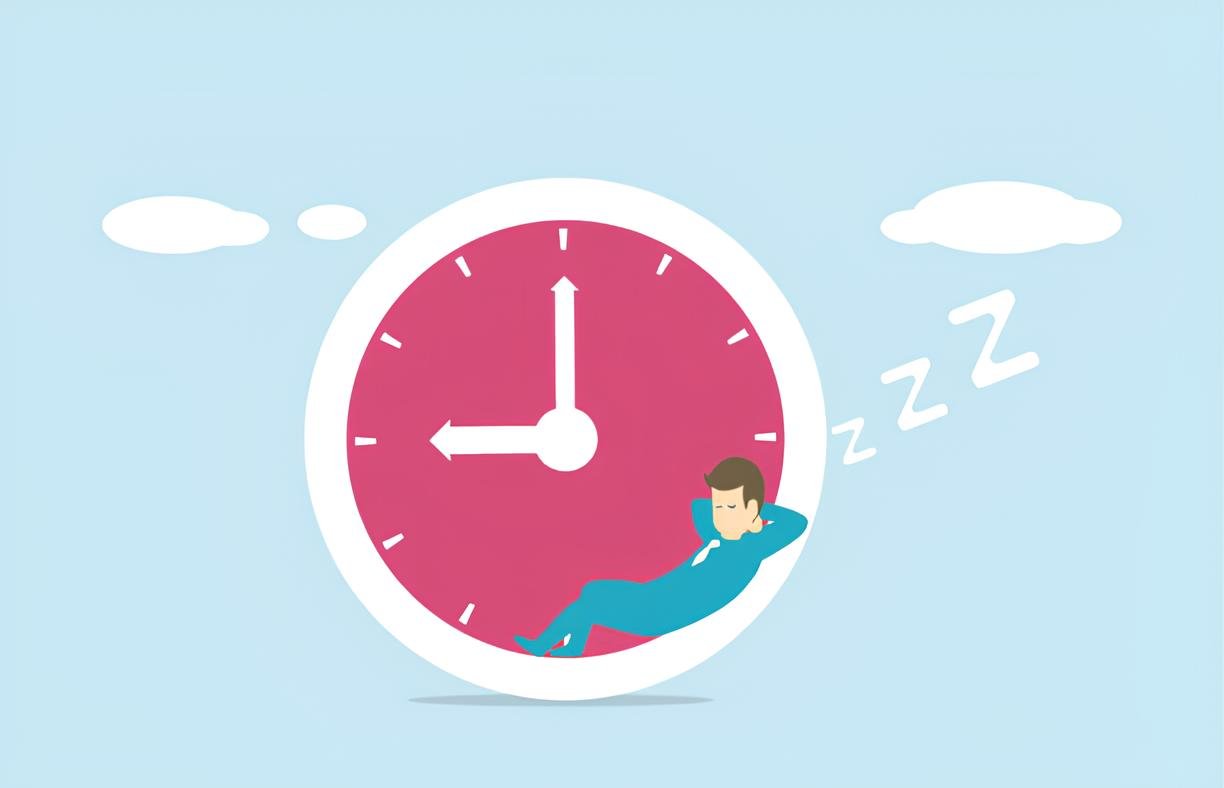
Do you find yourself lying awake, eyes fixed on the ceiling, while your breath feels shallow and your mind spins through the day’s to-do list? If so, you’re far from alone. Our bodies and minds can struggle to transition from the chaos of wakefulness to the calm of sleep — especially in today’s fast-paced, screen-saturated world. Thankfully, there’s a simple trick backed by science and soothing psychology: setting aside a dedicated time each evening to consciously slow down and prepare yourself for rest.
Why a Wind-Down Hour Works
Nature runs on rhythms, from the ebb and flow of tides to the cycling of day and night. Our bodies, too, thrive when in sync with a natural cadence — particularly when it comes to sleep. But modern life often disrupts this rhythm through stress, overstimulation, and irregular schedules.
Setting aside a dedicated “wind-down hour” before bedtime allows your brain and body to transition smoothly from alertness to calm. This practice can reset your nervous system, lower cortisol (the stress hormone), and cue the secretion of melatonin, the hormone that signals sleepiness.
Scientific studies have shown that incorporating calming routines before bed can improve sleep latency (how quickly you fall asleep), increase total sleep time, and enhance overall sleep quality. It’s more than a routine — it’s a powerful signal to your mind that it’s time to rest.
How to Build Your Wind-Down Routine
Everyone’s ideal wind-down hour looks a little different — but the core principle is consistency. By tuning in to what relaxes you personally and making time to engage in those activities nightly, you train your mind and body to expect rest.
Here’s how to start:
- Choose Your Time: Pick a time each evening, ideally 60 minutes before your intended bedtime.
- Stick to It: Consistency builds habit, even on weekends or days off.
- Limit Stimuli: Avoid activities or media that energize or distress you.
- Prepare Your Space: Create an environment that feels welcoming, cozy, and calming.
- Include Relaxation Techniques: Deep breathing, gentle stretches, or mindfulness can enhance the effect.
Once you build a foundation, you can customize your routine with specific calming activities (more on that below).
Soothing Activities to Include
The best wind-down hour activities share one trait: they are low-intensity and relaxing, nudging your nervous system toward rest.
- Reading a Physical Book – Escape into a favorite novel or a gentle non-fiction topic. Avoid thrillers that spike your adrenaline.
- Gentle Yoga or Stretching – Focus on slow, mindful movements that release physical tension.
- Meditation and Deep Breathing – Even 5–10 minutes of breathing exercises can dramatically reduce stress.
- Journaling for Calm – Writing down thoughts, gratitude, or a to-do list helps offload mental clutter.
- Listening to Soft Music or Nature Sounds – Use playlists designed to soothe the nervous system without lyrics or abrupt changes.
- Warm Bath or Shower – The drop in body temperature post-bath promotes sleepiness.
- Preparing Herbal Tea – Sip on non-caffeinated, calming teas like chamomile, valerian, or lavender.
Try combining two or three light activities — for example, a warm bath, followed by reading, and finishing with deep breathing exercises.
Creating the Ideal Environment
Physical surroundings play a significant role in how your mind interprets “bedtime.” A calming space promotes relaxation and improves sleep onset.
Key features of a sleep-friendly environment include:
- Dim, Warm Lighting: Avoid harsh, blue-toned overhead lights. Use lamps or candles with warm hues.
- Comfortable Temperature: Keep your bedroom between 60-67°F (15-19°C), the sweet spot for most sleepers.
- Minimal Noise: Use white noise machines or earplugs if necessary to block disruptive sounds.
- Decluttered Space: A tidy, organized room can reduce anxiety and promote peace.
- Textural Comforts: Soft pajamas, breathable sheets, and a quality mattress make a big difference in physical relaxation.
By treating your bedroom as a sanctuary, your mind learns to switch gears simply by entering the space.
Managing Screen Time
One of the biggest enemies of good sleep is blue light emitted by phones, tablets, and computers. These devices inhibit melatonin production and trick your brain into thinking it’s still daytime.
Turning off screens at least an hour before bed is ideal. If you must use devices, enable blue light filters or “night mode” settings to minimize disruption.
Consider swapping digital scrolling for analog activities during your wind-down hour. This shift not only helps your biology but also nurtures mental calm — far removed from the overstimulating news, emails, or social media feeds.
Nutrition and Sleep-Friendly Choices
What you eat and drink before bed matters. Heavy meals, caffeine, or sugary snacks can interfere with digestion and trigger nighttime wakefulness.
Here are some thoughtful nutritional tips during your wind-down hour:
- Avoid Caffeine and Alcohol: Although alcohol may sedate initially, it disrupts deep sleep cycles later.
- Light, Balanced Snacks: If you’re hungry, opt for a small portion with complex carbs and protein, such as a handful of nuts with fruit.
- Hydrate Mindfully: Sip water or herbal teas slowly to avoid frequent nighttime bathroom trips.
- Try Natural Sleep Aids: Foods rich in magnesium (like pumpkin seeds) or tryptophan (like turkey) may encourage relaxation.
Balancing evening nutrition supports both your wind-down routine and quality sleep.
Frequently Asked Questions
How long should my wind-down hour be?
Aim for about 60 minutes, but even 30 minutes can be effective. The key is regularity and intentionality.
Can I use screens if I watch calming shows?
Even relaxing content can interfere because of blue light. If necessary, reduce brightness and use blue light filters.
What if I’m too restless to relax?
Start small with gentle breathing or a short walk. Avoid forcing relaxation — ease into your routine gradually.
Is it okay to nap during the day if I struggle with sleep?
Limit naps to 20-30 minutes early in the afternoon. Longer or late-day naps can disrupt nighttime sleep.
Reclaim Calm, One Evening at a Time
Creating a winding-down ritual is an act of kindness toward yourself — a intentional pause that honors your body’s need for restoration. The beauty is in the simplicity: it’s not about perfection or complex routines, but about crafting space to unwind and invite rest.
Think of this time as a gentle bridge from day to night, where distractions fade, and quiet reigns. Over time, your mind will come to crave this soothing signal, and falling asleep can become less of a battle and more of an invitation.
If you’re curious about other ways to foster relaxation and support restful sleep, consider exploring routines like how to create a calming bedroom sanctuary or learning how to use sound therapy for natural stress relief.