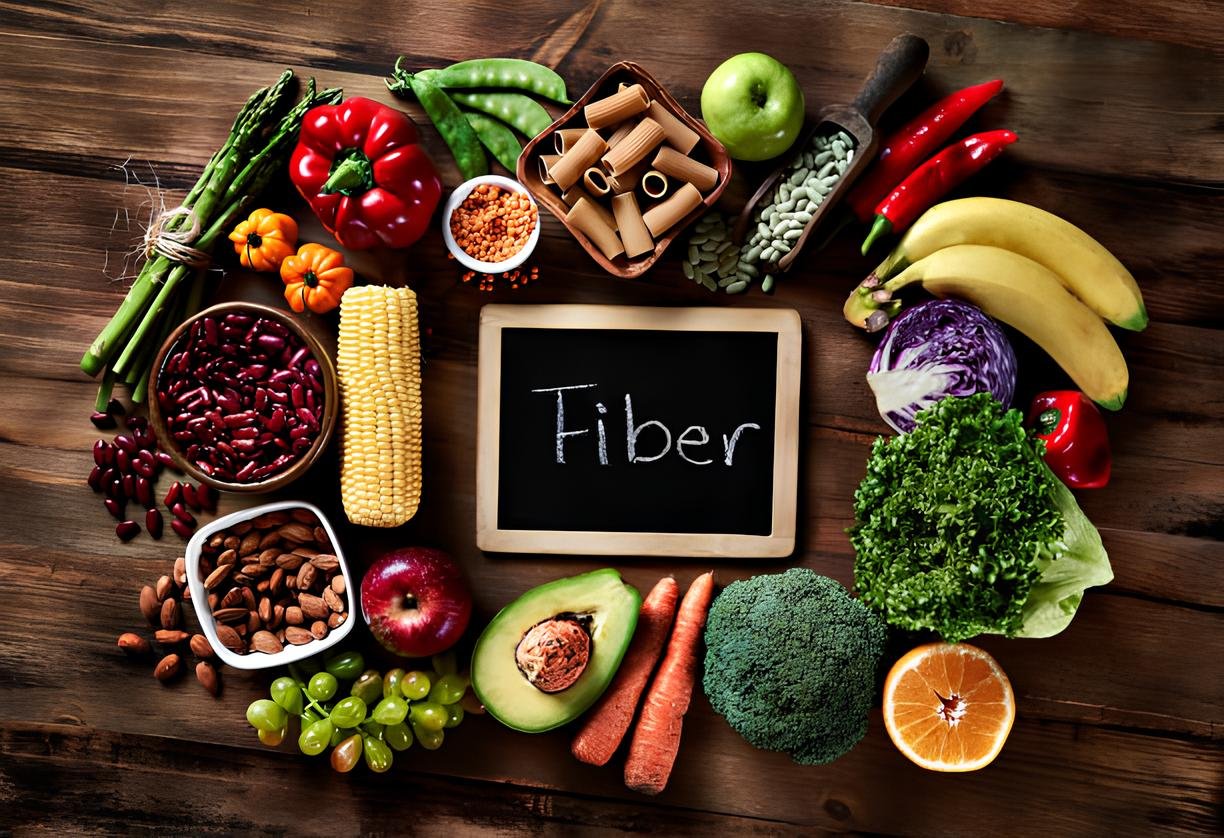
Have you ever noticed how a simple shift in diet can sometimes be the missing piece in stabilizing your mood? Those unpredictable high-and-low emotional waves often feel like they come from nowhere, yet the solution might be more accessible—and tastier—than you think. Enter fiber, a dietary superstar best known for keeping digestion humming but, surprisingly, also intimately connected to how we feel day-to-day.
Fiber’s power extends well beyond digestion. It reaches into the gut-brain axis, a fascinating communication highway linking your gut health to your brain chemistry. So, the next time mood swings catch you off guard, it might be worth reaching for a fiber-rich snack rather than just a stress ball.
How Fiber Influences Mood
It might seem counterintuitive that a nutrient most famous for bowel regularity is actually a mood modulator, but science continues to reveal surprising links. Increasing dietary fiber intake can help lessen mood swings by balancing blood sugar, reducing inflammation, and supporting the production of brain-boosting chemicals.
When your diet lacks fiber, your blood sugar can spike and crash quickly—think of that afternoon slump that spirals into irritability. Fiber slows carbohydrate absorption, leading to steadier blood sugar levels, which means your brain gets a consistent supply of energy to keep emotional highs and lows at bay.
Fiber and Inflammation: A Hidden Emotional Trigger
Chronic low-grade inflammation in the body is a culprit behind mood disorders and emotional reactivity. Soluble fiber acts as fuel for the beneficial bacteria in your gut, which ferment fiber into short-chain fatty acids like butyrate. These acids travel to your brain and help reduce inflammation there, promoting a calmer, more balanced mood.
The Gut-Brain Connection Explained
Our gut is often called the “second brain,” and for good reason. It contains millions of neurons that communicate directly with the brain through the vagus nerve and chemical messengers. The gut microbiome—trillions of bacteria residing in your digestive tract—plays a key role in this dialogue.
Fiber significantly nourishes this microbiome. A diverse and healthy gut flora produces neurotransmitters such as serotonin, dopamine, and gamma-aminobutyric acid (GABA) — all vital to mood regulation. Over 90% of serotonin, often dubbed the “feel-good” hormone, is produced in the gut.
In fact, studies have shown that individuals with mood swings or anxiety often have a less diverse gut microbiome. Enhancing fiber intake can shift gut bacteria balance toward those that support emotional well-being.
Pairing fiber-rich foods with fermented items like yogurt or sauerkraut may supercharge your gut health by combining prebiotics (fiber) with probiotics (beneficial bacteria).
Types of Fiber and Their Benefits
Fiber isn’t just one thing—it’s made up of several types, each offering unique benefits for digestion and mood.
- Soluble fiber dissolves in water and forms a gel-like substance. Found in oats, apples, and beans, it helps slow digestion, stabilizing blood sugar and serving as food for good gut bacteria.
- Insoluble fiber doesn’t dissolve in water, adding bulk to stool and promoting regular bowel movements. Whole grains, nuts, and the skins of fruits and vegetables are rich sources.
- Resistant starch escapes digestion in the small intestine and ferments in the colon. It acts like soluble fiber, feeding your microbiome, and is found in chilled cooked potatoes, green bananas, and legumes.
Each plays a part not only in gut and metabolic health but indirectly in your emotional well-being by maintaining a balanced gut environment and smooth digestion.
Best Fiber-Rich Foods to Add
Making fiber a focus doesn’t mean overhauling your entire diet overnight. These foods can be simple additions that deliver a mood-boosting impact:
- Berries: Blueberries, raspberries, and blackberries are delicious fiber-packed antioxidants.
- Legumes: Lentils, chickpeas, and black beans provide a double dose of fiber and protein.
- Whole grains: Brown rice, quinoa, barley, and whole wheat bread keep digestion steady.
- Nuts and seeds: Almonds, chia seeds, and flaxseeds contribute healthy fats and fiber.
- Vegetables: Broccoli, Brussels sprouts, carrots, and artichokes are fiber champions.
- Fruits: Apples and pears are accessible everyday options with soluble and insoluble fiber.
- Root vegetables: Sweet potatoes and beets add fiber with natural sweetness.
For some, increasing fiber in the diet might call for experimenting with new recipes. Luckily, fiber-rich ingredients often come with the bonus of vibrant flavors and textures that make meals more enjoyable.
Practical Tips to Boost Fiber Intake
Incorporating more fiber doesn’t have to be complicated. Small, consistent habits make a big difference and help prevent digestive discomfort.
- Start slowly: Gradually increase fiber over weeks, letting your gut adjust without bloating or gas.
- Choose whole fruits: Opt for whole apples or pears instead of juices for maximum fiber.
- Swap to whole grains: Replace white rice or bread with their whole grain counterparts.
- Add seeds to meals: Sprinkle chia or flaxseeds over yogurt, smoothies, or salads.
- Eat legumes regularly: Include beans or lentils in soups, salads, or as side dishes.
- Hydrate well: Drink plenty of water to help fiber move smoothly through your digestive tract.
Consistency is key—over time, your mood and digestive health can both significantly improve from these simple shifts.
What to Watch Out For
If you have irritable bowel syndrome (IBS) or other digestive sensitivities, certain fibers—especially fermentable types—can sometimes worsen symptoms like bloating or cramps. Consult a healthcare professional for personalized guidance.
Also be aware that while fiber supports mood indirectly, it’s not a replacement for professional mental health care when needed. Mood disorders have multifaceted causes and often require a combination of diet, lifestyle, and therapy.
Frequently Asked Questions
How much fiber should I aim for daily?
The general recommendation is 25 grams per day for women and 38 grams for men, but individual needs can vary.
Can fiber help with anxiety and depression, too?
Increasing fiber can support mood balance, but it is one piece of a larger puzzle. Diet quality, sleep, exercise, and professional support all play important roles.
Is a fiber supplement as effective as fiber from food?
Supplements can help increase intake but don’t provide the full range of nutrients and beneficial compounds found in whole foods.
Will eating fiber make me feel fuller?
Yes. Fiber slows digestion and adds bulk, helping you feel satisfied and potentially reducing cravings or emotional eating.
Adding fiber to your diet is a natural, wholesome way to support both your body and mind. By nurturing your gut health, fiber helps steady those emotional ups and downs that can disrupt your daily life. From bananas in your smoothie to crunchy almonds in your salad, these small changes ripple outward—helping you feel calmer, more centered, and ready to take on whatever comes your way.
If you’d like to explore how simple lifestyle habits can further enhance your mental wellness, you might find inspiration in how to boost your natural energy without caffeine this summer encourages mindful, natural vitality.