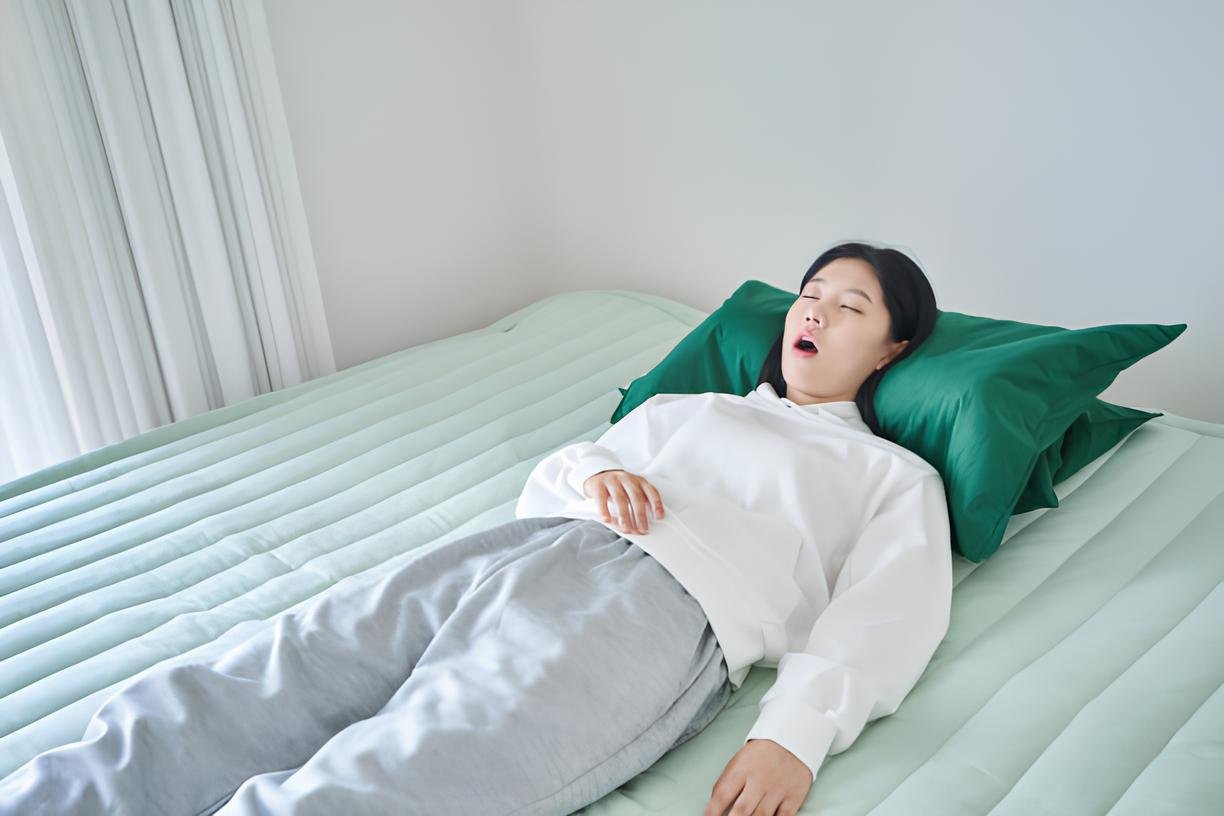
Ever found yourself lying awake at night, staring at the ceiling, waiting for sleep to arrive but feeling like it’s playing hide-and-seek? You’re not alone. Many of us battle restless evenings when stress, busy thoughts, or physical tension keep our minds buzzing and bodies wired. What if a simple, rhythmic breathing technique could gently lull you into a calmer space where falling asleep feels effortless? That’s exactly what the 4-7-8 breathing method promises — a grounded, science-backed way to ease your nervous system and invite deep rest.
What is the 4-7-8 Breathing Method?
Developed by Dr. Andrew Weil, a well-known integrative medicine expert, the 4-7-8 breathing technique is a simple yet powerful breathing pattern designed to foster relaxation and reduce stress. It’s often described as a natural tranquilizer for the nervous system. The numbers refer to the seconds spent in each phase of the cycle:
- Inhale quietly through your nose for 4 seconds.
- Hold your breath for 7 seconds.
- Exhale completely and audibly through your mouth for 8 seconds.
This structured rhythm works to slow your breathing, lower your heart rate, and shift your body into a parasympathetic (rest-and-digest) state. Unlike typical shallow or irregular breaths that can keep you alert, 4-7-8 creates a calming anchor that signals your brain it’s time to relax and prepare for sleep.
The Science and Sleep Benefits
Why does this breathing method feel so effective? When you breathe deeply and extend your exhalation, it encourages the parasympathetic nervous system to take precedence over the sympathetic “fight or flight” responses. This physiological switch lowers blood pressure, decreases cortisol (stress hormone) levels, and reduces muscle tension — all essential for moving into sleep.
Research also suggests that controlled breathing helps regulate brainwave patterns, increasing alpha waves associated with a state of wakeful relaxation. In a world buzzing with stimuli and constant noise, such focused breathing can be a natural and drug-free tool to quiet the mind.
Studies on mindful breathing and meditation routinely highlight improvements in sleep quality, reduced insomnia symptoms, and faster time to fall asleep. In particular, the 4-7-8 method’s emphasis on elongating the exhalation mimics the techniques used in pranayama yoga and other mindfulness practices known to improve sleep hygiene.
Practicing 4-7-8 breathing consistently—even during the day—trains your nervous system to respond more calmly during stressful moments and at bedtime.
How to Practice 4-7-8 Breathing in 5 Easy Steps
Ready to try this breathing technique before bed? Here’s a straightforward guide to get you started, whether you’re new to intentional breathing or looking to enhance your sleep routine.
- Get Comfortable: Sit or lie down in a quiet space with your back straight but relaxed.
- Prep Your Mouth: Position the tip of your tongue against the ridge of tissue just behind your upper front teeth throughout the practice.
- Inhale: Close your mouth and breathe silently through your nose for 4 seconds.
- Hold: Keep your mouth closed and hold your breath for 7 seconds.
- Exhale: Open your mouth slightly and exhale completely, making a gentle whooshing sound for 8 seconds.
Repeat this cycle for four full breaths initially. As you become more comfortable, increase to eight cycles or more if you like. It’s best done twice a day—morning and night—or whenever you notice anxiety creeping in.
Keep your focus softly trained on your breath. If your mind wanders (which it will), gently guide yourself back to the rhythm without judgment.
Tips for Maximizing Effectiveness
- Practice Consistently: Like any habit, the benefits grow with regular use. Try setting reminders to breathe deeply during the day to build nervous system resilience.
- Make It Part of Your Wind-Down Routine: Pair 4-7-8 breathing with other pre-sleep rituals like reading a book, dimming lights, or aromatherapy to deepen relaxation.
- Use a Slow, Even Pace: The timing is key—keeping exhalations longer than inhalations signals calm more effectively.
- Be Patient: It may take a few sessions before you notice a marked difference in sleep latency or anxiety reduction.
- Avoid Overexertion: The technique should feel calming, not physically challenging. If breath-holding feels uncomfortable, shorten the hold time and gradually build up.
Who Should Be Cautious?
While safe for most, some people may want to check with a healthcare provider before trying the 4-7-8 breathing method, especially if they have respiratory conditions like asthma, COPD, or heart issues.
Holding your breath for 7 seconds may cause slight dizziness or lightheadedness initially. If you experience these symptoms, reduce the hold time until your body adjusts. Pregnant individuals should also consult their doctor before starting breath-holding techniques.
If you have any respiratory, cardiovascular conditions, or experience discomfort, consult your doctor before regularly practicing this technique.
Frequently Asked Questions
How long does it take to feel the calming effects?
Most people feel more relaxed within a few breaths, but for sleep improvements, give it a few weeks of consistent practice.
Can I do 4-7-8 breathing during the day?
Absolutely! It’s a great stress-relief tool anytime you need to center yourself.
Is it okay to change the timing, like 3-5-7?
You can adjust the numbers slightly if the original timing feels uncomfortable, but keeping the exhale longer than the inhale remains important.
Does this replace the need for other sleep hygiene practices?
It’s a helpful complement but works best alongside good sleep habits like a consistent schedule, limiting screen time, and creating a calming bedroom environment.
The First Step Toward Restful Nights
Sleep can sometimes feel like the most elusive luxury—but mastering your breath offers a gentle, empowering way to reclaim your nights. The 4-7-8 breathing technique is accessible for virtually anyone, requires no special equipment, and can be done anywhere. It just takes a little patience and practice to allow your body to soften, tension to melt, and your nervous system to prepare you for rest.
Next time you climb into bed feeling tense or restless, try this simple rhythm. Let your breath be the soft guide that carries you through the door to calmness and sleep. Over time, it can become a cornerstone in your journey toward better sleep, enhanced relaxation, and a more balanced day.
Interested in layering your sleep benefits? You might enjoy exploring how to create a calming bedroom sanctuary in our detailed guide on how to create a calming bedroom sanctuary for better sleep and relaxation.