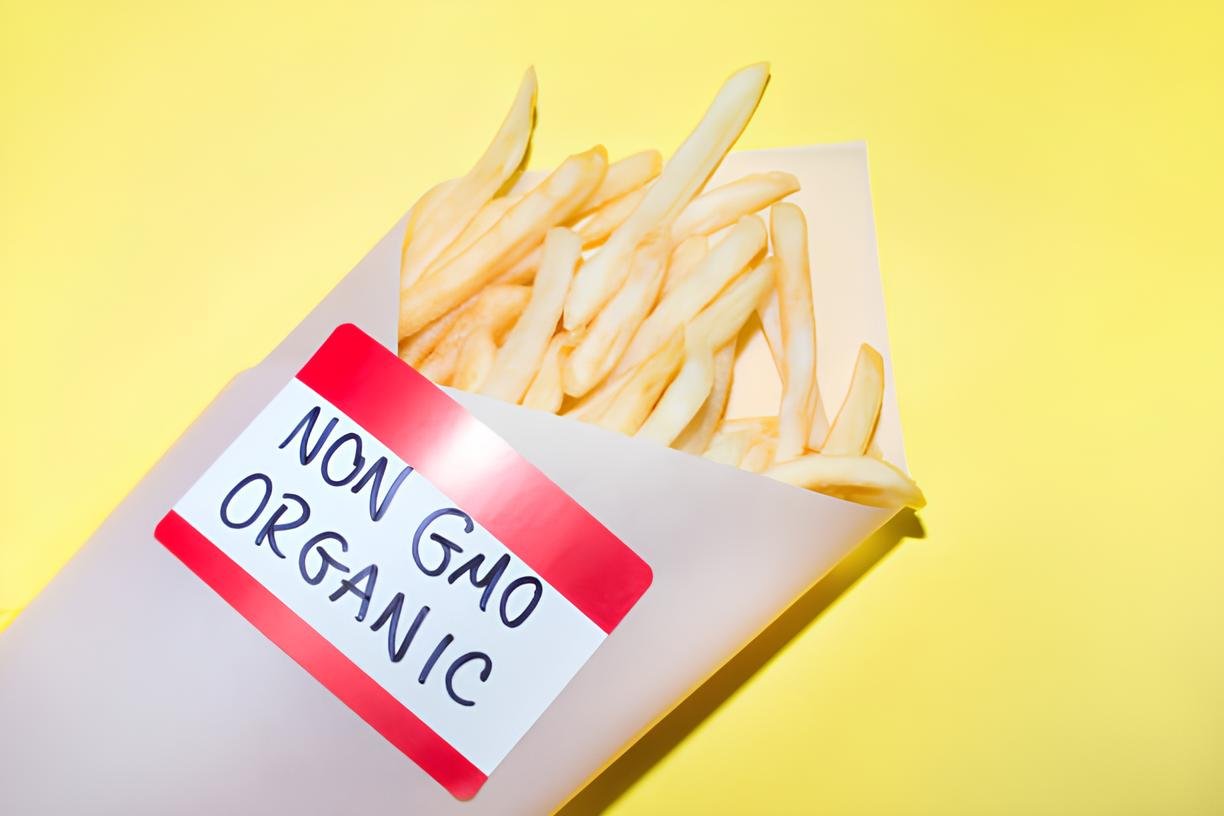
Have you ever found yourself reaching for a crunchy, salty snack just after lunch, even when you weren’t truly hungry? Or noticed how a single candy bar spiraled into a whole afternoon binge? It’s a familiar story — the allure of junk food often feels like a magnetic force, pulling us toward convenience and instant gratification. But what happens when you hit pause on these cravings and commit to a week without any processed treats?
Embarking on a “no-junk-food” week might sound daunting, but it’s one of the most enlightening and refreshing resets you can gift yourself. Imagine seven days where your energy stabilizes, mood brightens, and your body thanks you for the break. Curious how this simple challenge can ripple across your wellbeing? Let’s dive in.
Why Ditch Junk Food? The Real Reasons to Try
“Junk food” usually refers to highly processed items loaded with added sugars, refined fats, artificial flavors, and preservatives — think chips, candy bars, fast food, and soda. These foods offer little nutritional value and often contribute to cravings and cycles of overeating.
Research shows that regular consumption of junk food is linked with chronic inflammation, weight gain, poor gut health, and even increased risk for diseases like diabetes and heart conditions. Most people don’t realize how much these foods silently influence their daily energy and mood until they take them out of the picture.
By committing to a “no-junk-food” week, you’re giving your body a chance to detox from the chemical overload, rebalance hunger hormones, and challenge habits that may feel automatic but aren’t serving you well.
How Your Body Benefits During a Junk Food Detox
Removing junk food from your diet even for a short time creates ripple effects through your entire body. Here’s what typically happens:
- Stable Blood Sugar Levels: Without sugary snacks and refined carbs, your blood sugar won’t spike and crash, reducing energy slumps and mood swings.
- Improved Digestion: Processed foods can disrupt your gut microbiome. Eating whole foods encourages beneficial bacteria, easing bloating and promoting regularity.
- Reduction in Inflammation: Many junk foods trigger low-grade inflammation. Cutting them out lowers inflammatory markers, which can improve joint comfort and skin health.
- Better Sleep Quality: Excess sugar and caffeine often sabotage sleep. Many notice deeper rest once they ditch junk food.
- Natural Weight Regulation: The week allows your body to reset appetite cues and reduce cravings for unhealthy calorie-dense foods.
This short-term cleanse can reset your relationship with food, making it easier to make healthier choices going forward. It’s like giving your system a well-earned deep breath.
Stay hydrated with plenty of water and herbal teas during your no-junk-food week to support digestion and detoxification.
You Might Be Surprised: The Mental Shift That Follows
It’s not just your body that benefits. Junk food often acts like a mild stimulant—creating quick pleasure then withdrawal. By stepping away, many people experience unexpected mental clarity and emotional balance.
During a junk-food-free week, you might notice:
- Improved concentration and focus
- Less irritability and mood swings
- Increased motivation to cook or move your body
- A greater sense of control around food choices
- Enhanced mindfulness about what and why you eat
This mental reset is often underestimated but plays a huge role in breaking cycles of emotional or mindless eating. In fact, cultivating a mindful relationship with food may be easier when you embrace mindful eating practices alongside a no-junk-food challenge.
Tips for Success: Making It Through Your No-Junk-Food Week
Taking on a week without junk food may feel like a big ask, but with the right approach, it becomes a manageable—and even enjoyable—challenge. Here are some strategies:
- Clear Your Pantry: Remove tempting snacks and replace them with whole-food alternatives like nuts, seeds, and fresh fruit.
- Plan Your Meals: Having recipes or ideas ready reduces the chance of grabbing convenience foods when you’re hungry.
- Focus on Nourishment: Choose foods rich in fiber, protein, and healthy fats to keep you full and satisfied.
- Stay Accountable: Share your plan with a friend or join an online community for support.
- Manage Cravings Mindfully: When a craving hits, pause and ask if you’re truly hungry or just bored or tired.
- Allow Flexibility: If you slip up, forgive yourself and keep going. One snack won’t undo the benefits of a whole week of clean eating.
Simple and Satisfying Meal Ideas to Support Your Week
No need to make this overwhelming. Here are some easy meal concepts to keep your no-junk-food challenge nourishing and delicious:
- Breakfast: Overnight oats with chia seeds, fresh berries, and a drizzle of honey
- Lunch: Quinoa salad with roasted veggies, chickpeas, and a lemon-tahini dressing
- Dinner: Baked salmon with steamed broccoli and sweet potato wedges
- Snacks: Apple slices with almond butter, homemade trail mix with raw nuts, or hummus with carrot sticks
- Treats: Fresh fruit sorbet or yogurt parfait with granola and sliced kiwi
Simple ingredients can feel exciting when you pair flavors creatively. Also, consider preparing meals in advance to avoid last-minute temptation.
Common Questions About Cutting Out Junk Food
Can I drink diet soda or sugar-free snacks?
While technically free of added sugars, many artificial sweeteners can maintain cravings and disrupt gut health. For a full reset, it’s best to avoid these during your week.
Will I feel hungry all the time?
Initially, craving junk food is normal, but choosing nutrient-dense, satisfying foods will keep you full. Hunger pangs usually subside after the first couple of days.
Do I have to exercise during this week?
Not necessarily, but gentle movement like walking or stretching can support your energy and mood while your body adjusts.
What if I slip up once or twice?
Don’t let it derail you. Every healthy choice counts. Reflect, learn, and keep moving forward with kindness toward yourself.
Seeing the Bigger Picture
Trying a week without junk food isn’t about perfection or strict rules. It’s an opportunity to reconnect with how food makes you feel, to experiment with new recipes, and to give your body a break from processed overload.
Many who complete this challenge describe it as a “mini reset” — a powerful reminder that you hold more control over cravings and habits than you might think. If you want a roadmap to continue nurturing your wellbeing, consider exploring mindful movement routines or how gentle lifestyle tweaks like crafting a cozy reading nook can support your mental health.
Take the plunge, savor the small victories, and watch how seven days can open up a whole new way of relating to the foods you eat — one that leans into nourishment, balance, and joy.