Sarah was no stranger to anxiety. Her heart would race unexpectedly, and worries often spiraled into sleepless nights. She tried meditation, journaling, and even cutting back on caffeine — but something else quietly shifted her experience: adding magnesium to her daily routine. Within weeks, the tension that once gripped her began to loosen.
This isn’t just Sarah’s story. Across the globe, many are discovering that magnesium plays a surprisingly vital role in calming the nervous system and easing anxiety symptoms. But why does this mineral have such a soothing effect, and how can you harness its benefits safely and effectively?
The Magnesium-Anxiety Connection: What Science Tells Us
Anxiety isn’t just a fleeting feeling — it’s a complex biological process involving the brain, neurotransmitters, hormones, and even minerals like magnesium. Research increasingly shows that magnesium deficiency may contribute to heightened stress responses and anxiety disorders.
Studies have found that people with generalized anxiety disorder (GAD) often have lower magnesium levels than those without anxiety symptoms. Magnesium is crucial for hundreds of bodily functions, including those governing brain health and mood regulation.
One large review analyzing clinical trials concluded that magnesium supplementation could “have a beneficial effect on mild to moderate anxiety symptoms,” especially when levels are low at baseline. This makes magnesium supplementation a promising natural adjunct for managing anxiety.
How Magnesium Influences Brain Chemistry and Anxiety
Understanding how magnesium impacts anxiety means looking inside the brain’s chemical pathways. Magnesium acts as a gatekeeper for N-methyl-D-aspartate (NMDA) receptors — important proteins involved in excitatory signaling.
When magnesium levels are low, NMDA receptors can become overactive, leading to increased neural excitability and heightened anxiety signals. Adequate magnesium tone helps regulate this activity, calming synaptic transmission.
Additionally, magnesium helps balance gamma-aminobutyric acid (GABA), the brain’s primary inhibitory neurotransmitter. GABA promotes relaxation and reduces nerve overactivity, so magnesium supports this calming pathway indirectly.
Magnesium also influences the hypothalamic-pituitary-adrenal (HPA) axis, which controls the stress hormone cortisol. Adequate levels help modulate the stress response, preventing exaggerated anxiety.
Put simply, magnesium acts like a brake pedal on the nervous system, helping to restrain overactive stress responses. This biochemical role explains its promising profile in reducing anxiety and improving emotional resilience.
Magnesium’s calming effects may take several weeks to become noticeable — consistency and patience are key.
Powerful Food Sources to Boost Magnesium Naturally
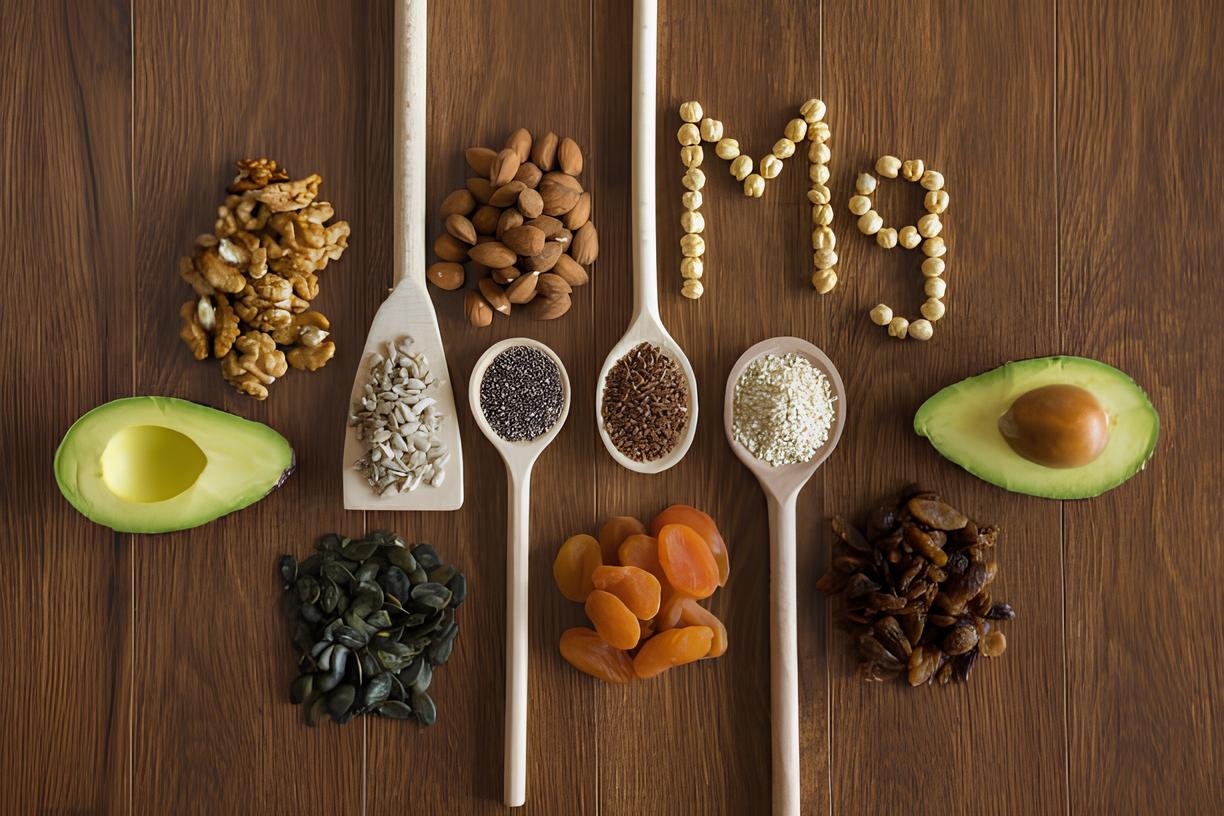
While supplements can be helpful, the best way to support your body is through nutrient-dense foods. Many whole foods naturally contain bioavailable magnesium to help reduce anxiety:
- Leafy Greens: Spinach, kale, and Swiss chard are magnesium-rich and versatile additions to meals.
- Nuts and Seeds: Almonds, cashews, pumpkin seeds, and flaxseeds provide magnesium plus healthy fats.
- Whole Grains: Brown rice, quinoa, and oats support steady magnesium intake.
- Legumes: Black beans, lentils, and chickpeas offer a plant-based magnesium boost.
- Dark Chocolate: Selects with at least 70% cacao contain magnesium and antioxidants, ideal as a guilt-free treat.
- Avocado: This creamy fruit offers magnesium alongside heart-healthy monounsaturated fats.
- Fatty Fish: Salmon and mackerel contribute magnesium with added omega-3s beneficial for mood.
Eating a colorful, balanced diet rich in these foods can naturally support your magnesium status, while improving overall mental and physical health.
Supplementing Wisely: Forms of Magnesium for Anxiety Relief
The supplement world is flooded with different forms of magnesium, each with unique characteristics. Selecting the best type depends on your goals, digestion, and sensitivity.
- Magnesium Glycinate: This form binds magnesium to glycine, an amino acid that also has calming effects. It’s highly bioavailable and gentle on the stomach, making it a favorite for anxiety support.
- Magnesium Citrate: Known for good absorption, but may cause loose stools in some. Useful if you also struggle with constipation.
- Magnesium Threonate: Emerging research suggests this form crosses the blood-brain barrier more efficiently, directly supporting cognitive function and possibly anxiety.
- Magnesium Oxide: Contains a high amount of elemental magnesium but has lower bioavailability. Generally used for digestive issues rather than anxiety.
- Topical Magnesium: Available as oils, sprays, or bath flakes (like Epsom salt). It’s absorbed via skin and can be an alternative if oral supplements cause discomfort.
Consult your healthcare provider to determine the supplement that fits your needs best.
Start with a low dose of magnesium supplement and gradually increase to avoid digestive upset.
How Much Magnesium Do You Need Daily?
The recommended daily allowance (RDA) for magnesium varies by age, sex, and life stage, but adults typically need between 310 to 420 mg. Women generally require slightly less than men, except during pregnancy or lactation when needs increase.
For anxiety support, many practitioners suggest aiming for the higher end of RDA or slightly above, especially if dietary intake is low. Some clinical trials on anxiety have used dosages ranging from 200 to 600 mg daily with positive effects.
Remember, total magnesium intake includes food, water, and supplements. Excess magnesium from diet rarely causes issues, but very high supplement doses may lead to diarrhea, nausea, or more severe symptoms.
Complementary Ways to Manage Anxiety Naturally
Magnesium is a powerful tool, but managing anxiety usually requires a holistic approach. Here are some natural strategies to consider alongside boosting magnesium:
- Mindful Movement: Gentle activities like yoga, walking, or tai chi help calm the nervous system while improving magnesium metabolism.
- Sleep Hygiene: Quality sleep supports magnesium balance and emotional resilience. Create a calming bedroom environment by cutting blue light and minimizing clutter.
- Breathing Exercises: Slow, deep breathing activates the parasympathetic nervous system, reducing anxiety and supporting magnesium’s calming effects.
- Limit Caffeine and Alcohol: Both can deplete magnesium levels and worsen anxiety symptoms.
- Balanced Diet: A diet high in processed foods and sugars can increase anxiety and reduce magnesium absorption.
For more on natural ways to revitalize your energy and calm your mind, you might appreciate our guide on how to boost your natural energy without caffeine this summer.
Frequently Asked Questions About Magnesium and Anxiety
Can magnesium cure anxiety completely?
Magnesium helps regulate nervous system function and can reduce symptoms for some people, but it’s not a standalone cure. Mental health conditions are multifaceted and often require multiple approaches.
How long does it take for magnesium to reduce anxiety?
Some notice effects within a week or two, but clinical benefits generally take 4–6 weeks of consistent supplementation.
Are there side effects of taking too much magnesium?
Excessive magnesium from supplements can cause diarrhea, nausea, and abdominal cramping. Always follow recommended dosage and speak with your doctor if unsure.
Can I get enough magnesium just from food?
It’s possible but many modern diets fall short. Supplements can help fill gaps, especially during times of stress or deficiency.
Why Adding Magnesium Might Be the Soothing Step You’ve Been Overlooking
In the quest to manage anxiety, it’s often the subtle biological supports that make the biggest difference. Magnesium’s role as a naturally calming mineral is rooted in solid science and reflected in countless personal stories, like Sarah’s.
Incorporating magnesium-rich foods, choosing the right supplements thoughtfully, and adopting lifestyle habits that honor your nervous system can collectively build a foundation of calm and emotional well-being.
Nurture your body’s natural capacity to relax with magnesium — a quiet, powerful mineral that speaks softly but profoundly to your mind and mood. With time and consistency, it might just be the missing piece that helps your worries ease and your calm restore.