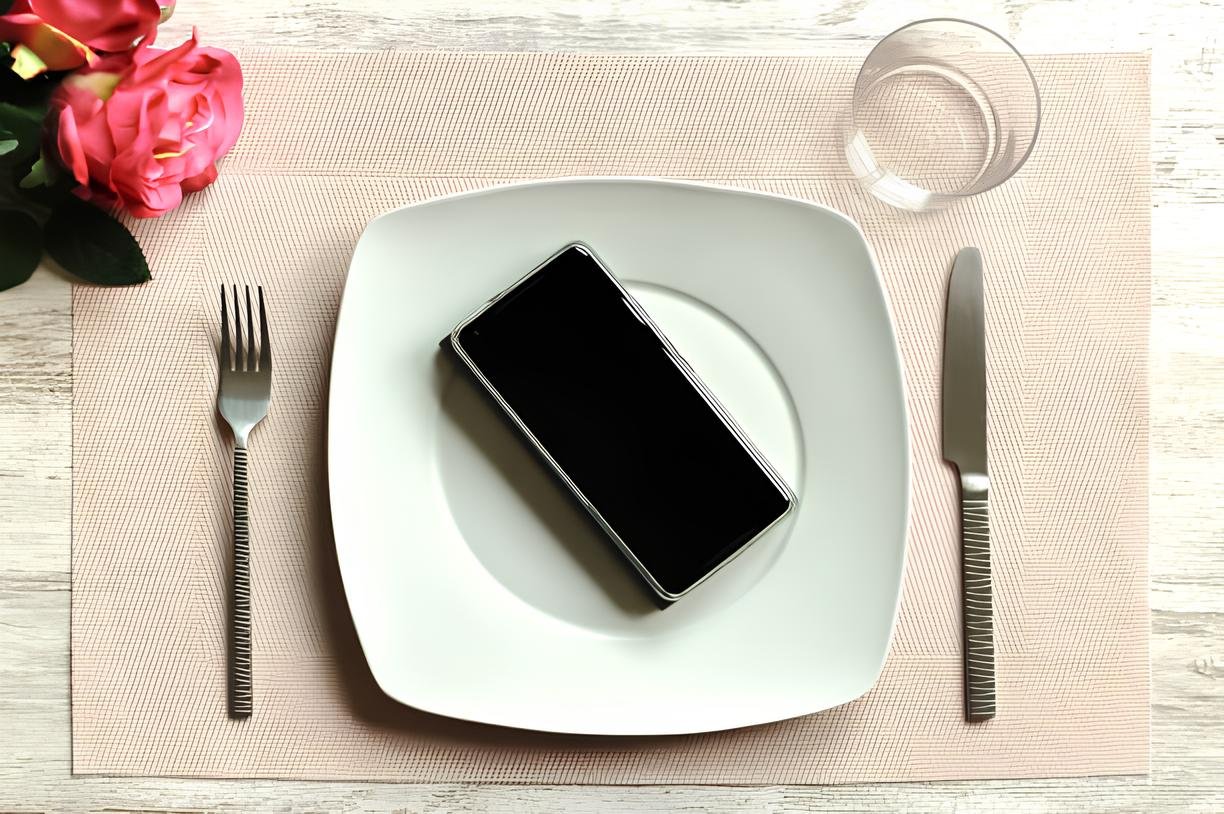
Have you ever glanced around the dinner table and noticed just how many glowing screens are lighting up the room? What started as a simple tool for catching up on emails or sharing photos has quietly transformed the way we eat, talk, and connect. Yet, for all the convenience, something essential feels lost when half the family—or maybe even just one person—is drowning in a digital bubble instead of savoring the moment.
Imagine a dinner where phones are set aside, conversations flow freely, smiles come naturally, and the entire table feels like a small community again. This isn’t just a quaint idea from the past—it’s a mindful practice gaining steam in homes worldwide for its surprising benefits. Curious about why a “no-phone” dinner rule might be exactly the change your family needs? Let’s unpack the compelling reasons to try it, along with practical tips to make it stick.
The Modern Dinner Dilemma: Screens at the Table
In the age of smartphones and tablets, dinner has morphed into a multitasking event where texting, scrolling social media, and catching the evening news compete for our attention. A quick check “just for a minute” often turns into extended screen time, fragmenting what should be a focused and nurturing family experience.
The consequences are visible: distracted eating, limited communication, and missed opportunities for emotional bonding. Studies show that the presence of phones during meals can reduce the quality and quantity of conversations, even if devices aren’t actively used. The simple act of having a phone on the table cues the brain to attend to incoming notifications, diluting attentiveness and presence.
Consider how much richer a meal could feel without that digital interruption—where you notice the flavors on your tongue, the warmth of the room, and the expressions on your loved ones’ faces. It may sound like a small adjustment. But small, intentional changes can ripple out in meaningful ways that transform your mental and emotional well-being.
Health Benefits of Tech-Free Eating
Beyond improving social dynamics, stepping away from screens at meal times has important physical and mental health benefits—some that science continues to reveal.
- Improved Digestion: Eating without distractions allows your body to focus on the complex process of digestion. Mindful eating promotes better enzyme release, thoughtful chewing, and can reduce symptoms of indigestion and bloating.
- Weight Regulation: Studies highlight that distracted eating leads to overeating because it impairs your ability to recognize fullness cues. Disconnecting during dinner can help you tune into your hunger and satiety signals, supporting healthy eating habits.
- Reduced Stress Levels: Mealtime absent of electronic interruptions can serve as a calming ritual, lowering cortisol levels and helping the nervous system relax. The environment you create at the table plays a role in signaling safety and rest to your body.
- Enhanced Sleep Quality: Using phones before or during dinner often primes you for late-night screen exposure, which interferes with melatonin production. A “no-phone” rule encourages an earlier, gentler deceleration toward evening routines that favor better sleep.
Pair your no-phone dinners with a calming herbal tea or a shared gratitude circle to enhance digestion and mood.
Strengthening Family Connection at Mealtime
Eating together is one of the oldest human traditions and a core way families build relationships. However, phones can create invisible barriers, preventing everyone at the table from fully engaging. A tech-free dinner helps bring back the spirit of communal dining—encouraging dialogue, shared stories, and a genuine presence.
Children benefit especially from seeing attentive, undistracted adults. Research links frequent family meals with better academic performance, emotional health, and fewer risky behaviors in kids and teens. Interruptions caused by devices can dilute these benefits.
Moreover, meaningful meal conversations often serve as informal emotional check-ins. A no-phone dinner naturally fosters these moments, making it easier for family members to express feelings, discuss daily wins or struggles, and feel heard.
How to Introduce a No-Phone Dinner Rule
Creating a phone-free dinner habit might seem daunting at first—especially if devices have become a default at your table. But like any lasting lifestyle change, the key is thoughtful, gentle implementation.
- Start with Agreement: Have an open family conversation about why you want to try no-phone dinners. Sharing the benefits can help build buy-in and make the practice feel empowering rather than restrictive.
- Create a “Tech Basket”: Designate a spot where all phones and devices go during meals—a bowl or basket near the kitchen works well. This physical cue reduces temptation and makes it easy to stick to the rule.
- Set Clear Boundaries: Decide together whether the rule applies only to dinner or also to breakfast, weekend meals, or special occasions. Flexibility helps adapt the practice to your unique rhythms.
- Lead by Example: Children and teens model the behavior they see. Commit as a parent or host to staying phone-free as well. This is not just about rules, but about culture.
- Prepare Conversation Starters: Sometimes silence can feel awkward at first. Having a few go-to questions or topics helps spark engaging discussions and eases the transition.
- Celebrate Small Wins: Notice and acknowledge when the family enjoys the tech-free time together. Positive reinforcement encourages sticking to the habit.
Common Challenges and How to Overcome Them
Any new family rule faces bumps along the way, and a no-phone dinner is no different. By anticipating these challenges, you can respond with empathy and creativity.
1. The Habit of Checking Phones “Just for a Minute”
It’s easy to justify quick glances—but those minutes add up, distracting both the phone user and the rest of the table. Turning off notifications or putting phones on silent before dinner can help curb the impulse.
2. Work or Urgent Communications
Some family members may need to be reachable for emergencies. A compromise could be to have one person designated to keep their phone nearby or establishing pre-meal check-ins via text to reduce during-dinner alerts.
3. Kids’ Resistance
Children, especially older ones, may push back on new rules. Connect with their feelings and involve them in setting some ground rules or rewards for sticking to the tech-free period.
4. Busy Schedules That Hurt Family Time
If sitting down together every night isn’t feasible, start with one or two dinners a week and prioritize quality over quantity. This ensures the phone-free moments remain meaningful.
Avoid using the no-phone rule as a punishment. Instead, frame it as a positive time to reconnect and recharge together.
Frequently Asked Questions
Can using phones at dinner really affect family communication?
Yes. Even the presence of phones without active use has been shown to limit the length and depth of conversations by dividing attention.
What if my work requires me to stay connected in the evenings?
Consider negotiating “quiet hours” where you’re reachable only for true emergencies. Many find a dedicated no-phone dinner window possible without compromising job responsibilities.
Is a no-phone dinner realistic for families with teenagers?
Absolutely. Teens often appreciate the intentional time to be heard and have meaningful conversations once the habit is established with respect and explanation.
How long does it take to get used to phone-free meals?
Many families report initial awkwardness fades within 1 to 2 weeks as new rhythms form and they experience the benefits.
Making Mealtime a Moment to Remember
Reclaiming dinner from the grasp of screens isn’t about rejecting technology—it’s about choosing presence and connection over distraction. A simple “no-phone” dinner rule transforms more than just mealtime; it nurtures healthier bodies, minds, and relationships.
As you embark on this practice, think of it as planting a seed for calmer evenings, richer conversations, and stronger bonds that linger long after the plates are cleared. If you’re interested in cultivating a calm home atmosphere beyond the table, you might enjoy exploring how to create a calming bedroom sanctuary to support rest and renewal.
After all, the simple act of being fully present can nourish the soul in ways no screen ever will.