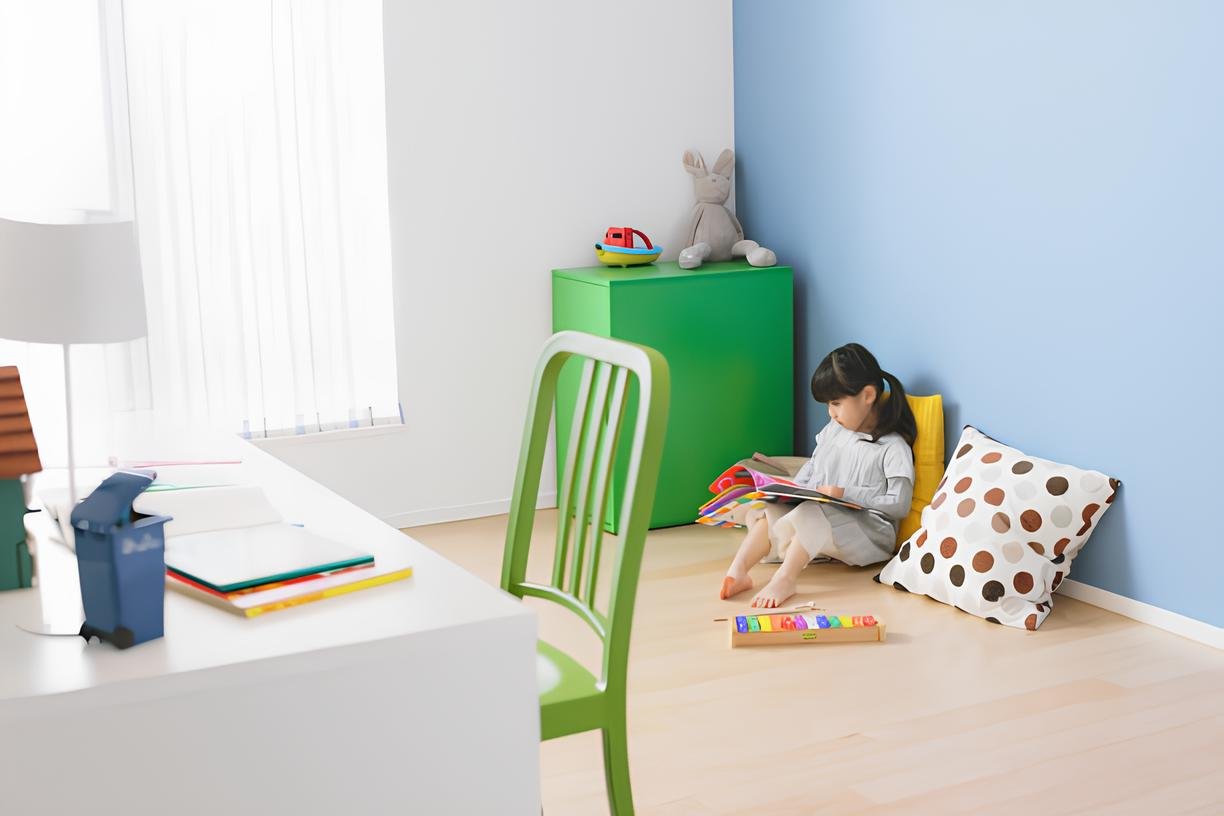
It’s a scene many parents know all too well: a child overwhelmed by big feelings, unable to articulate frustration, or just needing a quiet moment away from the bustle. In those moments, having a thoughtfully crafted “calm down corner” can transform the experience—offering a gentle retreat that helps kids regain control, soothe their emotions, and learn self-regulation.
Why Calm Down Corners Matter
Children experience emotions as intensely as adults do — sometimes even more so because they’re still developing their emotional toolbox. A calm down corner is not a punishment zone or a time-out chair. Instead, it’s a dedicated, cozy spot where kids can pause, reflect, and reset.
When children have a safe, inviting space that signals “It’s okay to feel these feelings,” it fosters emotional intelligence and builds resilience. It also teaches self-regulation—a critical skill for school readiness, social interaction, and long-term mental health.
Studies show that children who learn to recognize and manage their emotions at an early age demonstrate better focus and less behavioral disruption. This safe haven essentially acts as an emotional pause button in a busy household.
Choosing the Right Space
Not every quiet corner will automatically become a calming sanctuary. Thoughtful placement is key. Ideally, select a low-traffic area with minimal distractions but still within sight of a caregiver for reassurance.
It could be a cozy nook in the living room, a corner by a bedroom window, or even a small area in a playroom. The space should feel welcoming, not isolating.
Keep dimensions child-friendly—think small enough to feel snug and secure but spacious enough for comfort. If space is tight, even a dedicated basket or a small tent can work effectively.
Essential Elements to Include
A calm down corner should engage the senses and provide tools that facilitate self-soothing. Here are key items to consider:
- Soft seating: Bean bags, floor cushions, or a small chair create a comfy base.
- Cozy textures: Blankets, stuffed animals, or sensory pillows invite touch and comfort.
- Visual calmers: Books with calming stories, soft lighting via string lights or a nightlight, or gently moving items like lava lamps or glitter jars.
- Breathing tools: Simple bubble wands, pinwheels, or visual breathing charts encourage regulating breaths.
- Noise control aids: Noise-canceling headphones or soft calming music playlists can help block overwhelming sounds.
- Emotion charts: Faces or stickers that help kids identify what they’re feeling.
- Fidget toys or tactile items: Stress balls, putty, texture balls, or sensory brushes for proprioceptive input.
Rotate the items every few weeks to keep the corner fresh and engaging for your child.
Age-Appropriate Tips for Setting Up Your Calm Down Corner
Toddlers: Keep the corner simple and tactile. Soft toys, colorful books, and sensory balls work wonders. Toddlers best respond to tactile and visual comforts since language skills are still emerging.
Preschoolers: Introduce tools for deeper emotional recognition. Include emotion charts, simple guided breathing exercises with pictures, and encourage naming feelings along with calm down steps.
Elementary Age: Older kids benefit from more autonomy. Add journals, mindfulness cards, or guided breathing apps on a tablet. Integrate soothing music they can select to foster ownership of their calm down process.
Teaching Emotional Skills Through the Calm Down Corner
The calm down corner becomes a teaching tool when paired with intentional guidance. Make it a positive space, associating it with safe self-expression instead of punishment.
Use the corner for short coaching moments. For example, when emotions escalate, gently guide your child to the corner and help them:
- Identify the feeling they’re experiencing
- Practice deep breathing or other calming techniques
- Use the tools or books to soothe or distract
- Reflect quietly on what happened and how they might handle it next time
Over time, your child may start choosing the space themselves before frustration turns to meltdown. This self-awareness is a major win and can ripple positively into their social and academic life.
Consider pairing your calm down corner with simple emotion coaching techniques to deepen your child’s understanding and use of the space effectively.
Common Mistakes to Avoid When Creating a Calm Down Corner
Using the space as a time-out or punishment area. This can make children fear the corner and avoid it when they actually need it.
Overloading with too many toys or distractions. Too much stimulation defeats the purpose of calming. Keep it simple and intentional.
Ignoring the child’s preferences. What calms one child may overstimulate another. Collaborate with your child to select items and colors.
Not modeling calm behavior yourself. Children learn emotional regulation by watching adults. Use your calm down corner moments as a chance to share your own strategies.
FAQ
How long should a child spend in the calm down corner?
There’s no set time. The goal is to allow enough space for emotions to settle. This can range from a few minutes to longer periods depending on age and need.
Can a calm down corner work for older children?
Absolutely. It can be adapted with more sophisticated tools like journals, mindfulness apps, or meditation cushions.
What if my child refuses to use the calm down corner?
Try introducing it during calm moments, explaining its purpose. Let your child help design the space for more ownership.
Is it okay to use screens in a calm down corner?
Limit use of screens as they can sometimes overstimulate. However, gentle mindfulness apps or calming videos can be helpful if used mindfully and sparingly.
Nurturing Emotional Growth with Your Calm Down Corner
Creating a calm down corner is more than setting up cushions and toys — it’s about crafting a sanctuary that honors your child’s feelings and cultivates emotional resilience. As your child grows, the corner will evolve — becoming a tool for lifelong self-regulation and mindfulness.
Remember, this is a process. Celebrate small wins when your child uses the space or calms down independently. Over time, with patience and empathy, the calm down corner can become an anchor of peace in your family’s daily rhythm.
For further ideas on nurturing a calming home environment, you might enjoy our insights on how to create a calming bedroom sanctuary for better sleep and relaxation. Integrating gentle spaces for rest and reset benefits the whole family.