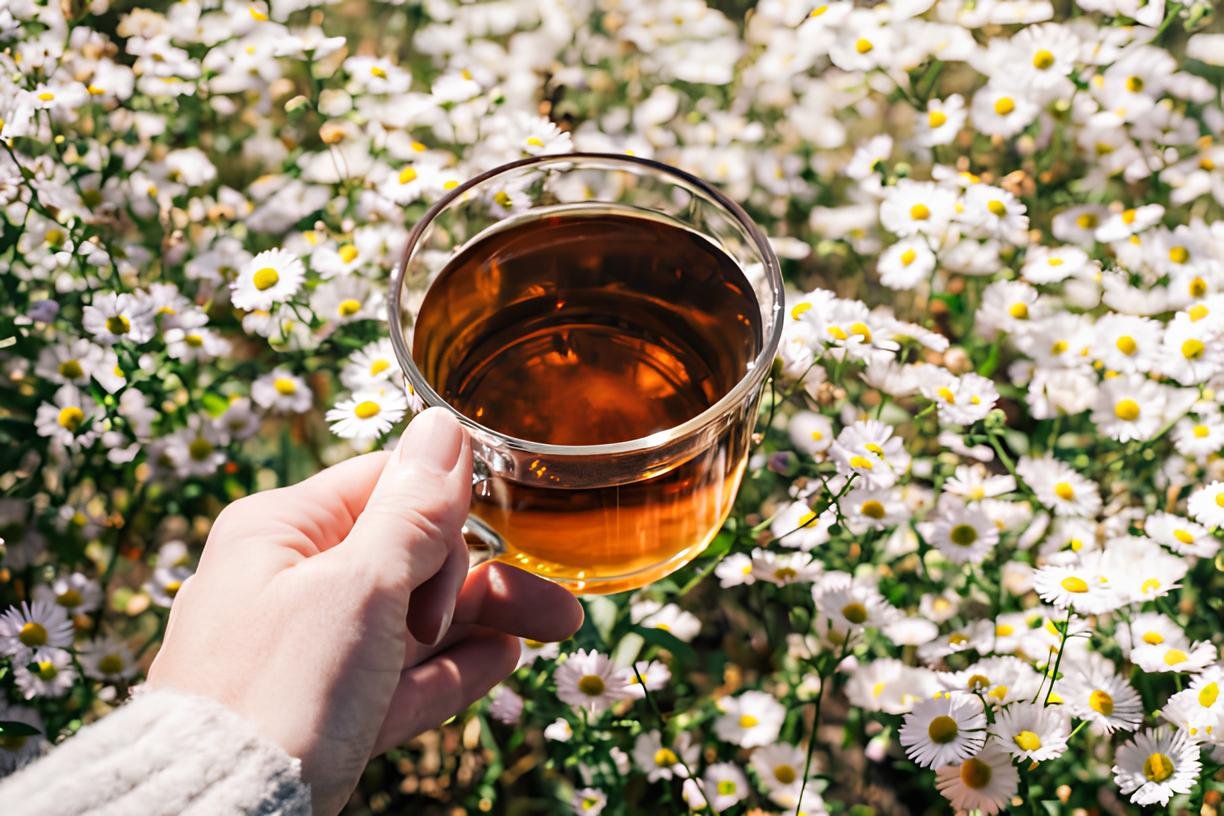
Have you ever found yourself reaching for a warm cup of tea after a stressful day, hoping it might gently quiet the whirlwind in your mind? There’s something almost meditative about the act—the warmth in your hands, the aroma rising in delicate tendrils, the soothing pause it forces. Among herbal teas, chamomile has quietly earned a reputation as a calming companion for frazzled nerves and restless evenings. But what is it about this unassuming flower brew that makes it such a go-to for soothing anxiety?
Understanding Anxiety and Nerves
Before diving into chamomile’s calming properties, let’s take a moment to appreciate what we mean by “nerves” or anxiety. It’s that rapid heartbeat, jittery feeling, or racing thoughts that hijack your day or keep you up at night. Scientifically, anxiety arises from your body’s natural “fight or flight” response—a survival mechanism that primes you to react to threats.
While useful in genuine danger, this system can become overactive in everyday life, triggered by deadlines, social pressures, or even seemingly small stressors. Over time, these anxious states can affect your physical health, mood, and overall wellbeing.
That’s why managing nerves is not just about feeling better emotionally—it’s essential for long-term health. Natural remedies like chamomile can gently support this process without the side effects often tied to medications.
The Gentle Chemistry of Chamomile
The chamomile plant belongs to the daisy family, with small, white-petaled flowers. There are two common varieties used in teas: German chamomile (Matricaria recutita) and Roman chamomile (Chamaemelum nobile), both prized for their soothing qualities.
What’s inside the chamomile flower that helps calm the mind? The secret lies in its remarkable chemical makeup:
- Apigenin: A natural antioxidant that binds to receptors in the brain that promote relaxation.
- Bisabolol and Chamazulene: Compounds known for anti-inflammatory and mild sedative effects.
- Flavonoids and Terpenoids: Plant-based molecules that contribute to chamomile’s calming aroma and neurological effects.
Together, these ingredients create a subtle but effective cocktail that eases tension and encourages calm.
How Chamomile Works on the Nervous System
So, how exactly does this humble tea bring relief to your frazzled nerves? The key player is apigenin, which acts like a gentle pacifier for your brain’s anxiety centers. It attaches to GABA receptors—neurochemical gates that regulate nervous system activity.
GABA (gamma-aminobutyric acid) signals the brain to slow down, helping reduce feelings of panic or overexcitement. Many pharmaceutical anti-anxiety drugs work on GABA, but chamomile offers a natural, milder way to achieve a similar effect without dependence or significant side effects.
Research shows that chamomile extract can reduce anxiety symptoms and improve sleep quality. A notable study found that participants experiencing chronic generalized anxiety reported measurable improvements after taking chamomile supplements regularly.
Drinking chamomile tea offers a ritualistic component too—steeping and sipping provides a moment of mindful pause, which itself can ease stress.
For maximum nerve-soothing effects, brew chamomile tea with fresh flowers or high-quality loose leaf rather than pre-packaged teabags, and steep for at least 5 minutes to extract beneficial compounds fully.
Best Ways to Drink Chamomile for Calm
Chamomile can be enjoyed in several ways, each suited to different moments and needs. Here’s how to make the most of your chamomile tea ritual:
- Evening Calm: Sip a warm cup about 30 minutes before bed to naturally support relaxation and sleep onset.
- Midday Reset: Take a moment from your busy day with chamomile to lower stress hormones and silence anxious thoughts.
- Chamomile Blends: Combine with lavender, lemon balm, or mint for enhanced calming aromas and flavors.
- Cold Brew Chamomile: For warmer days, steep chamomile in cold water overnight for a refreshing, still soothing drink.
Remember, while chamomile is gentle, drinking excessive amounts might cause mild allergic reactions in sensitive individuals. One to three cups daily is a popular and safe range.
Beyond Soothing Nerves: Other Health Perks
Chamomile’s calming influence isn’t limited to your nervous system—it also plays a supportive role in overall health:
- Digestive Aid: Chamomile’s anti-inflammatory properties can ease indigestion, bloating, and stomach cramps.
- Skin Health: Topical chamomile or tea rinses may soothe irritated skin and reduce redness.
- Immune Support: Antioxidants in chamomile help combat free radicals and promote immune resilience.
- Mild Pain Relief: Some evidence suggests chamomile can relax muscle spasms and reduce mild aches.
Its multi-layered benefits make it a wonderful herbal ally to incorporate into your daily life.
Frequently Asked Questions
Is chamomile tea safe for everyone?
Generally, yes—though people allergic to ragweed, daisies, or chrysanthemums should exercise caution. Pregnant women should consult with their healthcare provider before use.
How quickly does chamomile calm nerves?
Effects can be noticed within 30 minutes to an hour, but consistent use over days or weeks often yields the best results.
Can I take chamomile supplements instead of tea?
Supplements are available and may provide concentrated doses, but tea offers hydration and a calming ritual that supplements lack.
Can chamomile interfere with medications?
It may interact with blood thinners or sedatives, so check with your doctor if you’re on medication.
Finding Calm in a Cup
There’s a reason chamomile has been woven into wellness traditions for centuries—it’s a natural, gentle invitation to relaxation and relief. Drinking chamomile tea doesn’t just ease your nerves; it offers a mindful pause, a daily ritual where you step away from stress and invite calm.
While no single remedy cures anxiety on its own, incorporating chamomile can be a comforting cornerstone in your self-care toolkit. Pair this soothing tea with other mindful habits for an even greater impact on your mental well-being. For inspiration on nurturing calm in your space and habits, explore our guide on how to create a calming bedroom sanctuary for better sleep and relaxation.