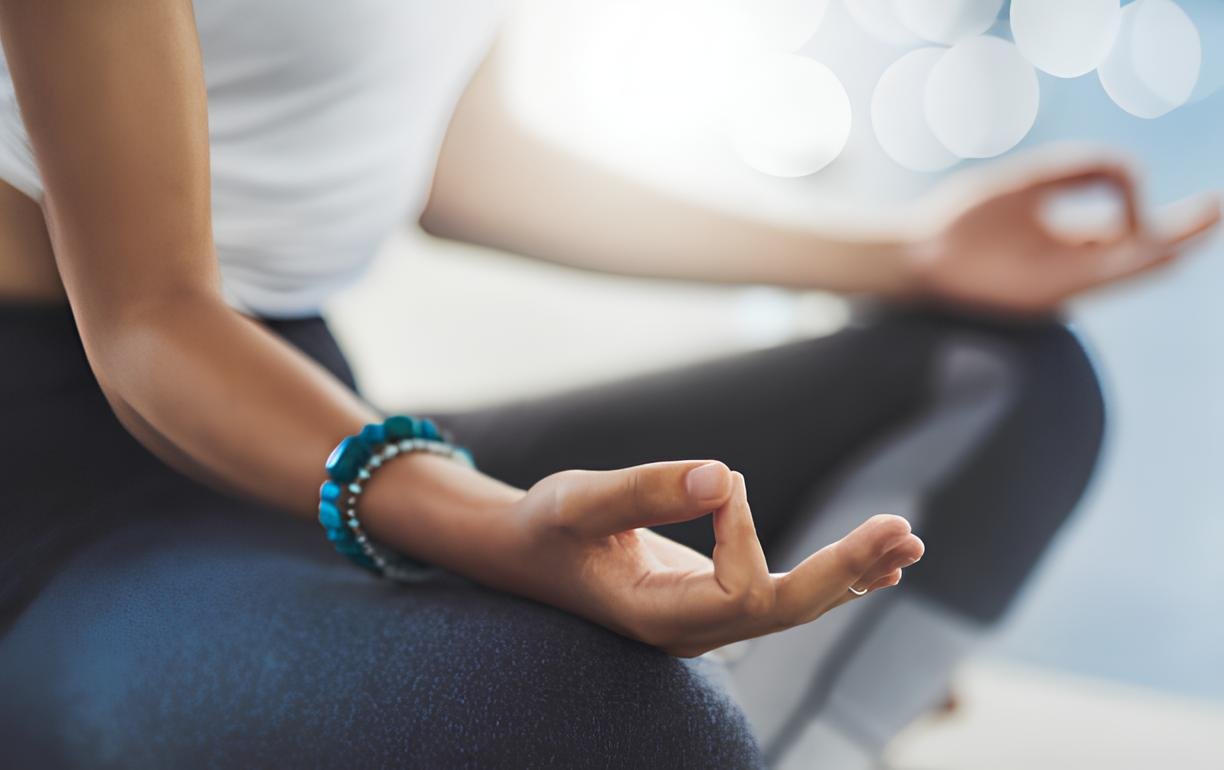
Have you ever found yourself caught in the whirlwind of a racing mind—a jumble of worries, tension, and what-ifs layering like a thick fog around your thoughts? Almost everyone has felt this creeping anxiety at some point, that restless unease that can make even the simplest moments feel challenging. Yet, intriguingly, something as simple as sitting still and focusing on your breath can soften this storm. Meditation, an ancient practice, has surged in popularity for its calming effects, but what is really happening under the surface? Why does this quiet act have the power to reduce anxiety so profoundly?
Understanding Anxiety: More Than Just Worry
Anxiety is often painted as simple nervousness or fleeting worry, but it runs much deeper than those occasional jitters. It’s a complex emotional and physiological response to stress, perceived threats, or overwhelming situations. For some, anxiety is occasional and manageable; for others, it can be relentless, affecting daily life and wellbeing.
In essence, anxiety is your brain and body’s alarm system—a heightened state of alert designed to prepare you for “fight or flight.” While useful in genuine danger, this system tends to overreact or stay activated during chronic stress, leading to racing thoughts, restless energy, and physical symptoms like a pounding heart or tight muscles.
The Neuroscience of Anxiety
Anxiety involves various parts of the brain working overtime. Central to this network is the amygdala, the brain’s emotional sentinel. When it senses threat—real or imagined—it sounds the alarm, triggering a cascade of responses from the nervous system.
Meanwhile, the prefrontal cortex, responsible for rational thinking and decision-making, often has a tougher time regulating these alarms during anxious states. This imbalance can make it harder to calm down once anxiety flares up.
In addition, regions connected to memory and attention may become hyperactive, heightening sensitivity to potential threats and making it difficult to shift focus away from anxious thoughts.
What Happens in Your Brain When You Meditate?
Meditation acts like a subtle, intentional reset button for your brain chemistry and activity patterns. When you meditate, especially through focused breathing or mindfulness techniques, several key areas of the brain engage in new ways:
- Prefrontal Cortex Activation: Meditation strengthens this area, helping you regain control over runaway emotions and anxiety.
- Amygdala Modulation: Studies show regular meditation reduces amygdala activity, meaning the brain is less likely to trigger stress responses unnecessarily.
- Increased Hippocampus Volume: This brain region supports memory and emotional regulation. Meditation can contribute to its growth, improving resilience.
- Default Mode Network (DMN) Quieting: The DMN often activates during mind-wandering and rumination—common in anxiety. Meditation quiets this network, helping calm racing thoughts.
Neuroscientists use brain imaging to observe these changes, revealing meditation’s power to create a more balanced and peaceful internal state.
Meditation’s Role in Brain Rewiring: The Power of Neuroplasticity
The brain is not static—it’s constantly reshaping itself through a phenomenon called neuroplasticity. Meditation leverages this adaptability by consistently encouraging new neural pathways that support calm, focus, and emotional regulation.
Regular practice can:
- Decrease reactivity to stress
- Build stronger connections between the prefrontal cortex and amygdala
- Enhance networks responsible for attention and sensory integration
These lasting changes explain why meditation’s calming effects don’t just fade when you stop sitting quietly. Instead, your brain learns new habits, making it easier to stay grounded even when anxiety threatens.
Try guided meditation apps that focus on anxiety reduction to support brain rewiring with consistent practice.
How Meditation Calms the Stress Response System
The body’s stress response is fueled by the release of hormones like cortisol and adrenaline, preparing muscles and organs for rapid action. When constant, high cortisol levels can undermine health and worsen anxiety.
Meditation helps by:
- Reducing cortisol secretion, which lowers physical symptoms of stress
- Activating the parasympathetic nervous system, the “rest and digest” branch that slows heart rate, relaxes muscles, and stabilizes breathing
- Improving heart rate variability (HRV), indicating a balanced and responsive nervous system
This physiological shift not only creates immediate calm but also supports long-term stress resilience.
Real-Life Benefits: Anxiety and Beyond
Scientific studies consistently highlight meditation’s benefits for anxiety, such as:
- Lowered anxiety symptoms: People practicing mindfulness meditation often report reduced feelings of nervousness and worry.
- Improved sleep quality: Better stress management fosters deeper, more restorative sleep, which further reduces anxiety.
- Greater emotional regulation: Practitioners find themselves less reactive and more able to observe thoughts without judgment.
- Reduced symptoms of generalized anxiety disorder (GAD): Meditation can be an effective adjunct therapy in clinical settings.
These benefits ripple outward into daily life, improving relationships, work performance, and overall happiness.
Getting Started: Meditation Tips for Anxiety Relief
Starting a meditation practice can feel intimidating, but it doesn’t have to be. Here are practical tips to ease into this anxiety-busting habit:
- Start small: Begin with 5-minute sessions and gradually increase.
- Use guided meditations: Apps like Headspace or Calm offer anxiety-focused sessions.
- Choose a quiet, comfortable space: Create a dedicated meditation nook to signal relaxation.
- Focus on your breath: Simple breath awareness is a powerful anchor for the anxious mind.
- Be patient and compassionate: It’s normal for thoughts to wander. Gently return your focus without judgment.
- Try different styles: Mindfulness, loving-kindness, or body scan meditations can each have unique benefits.
Frequently Asked Questions
How long before meditation reduces anxiety?
Many people feel calmer immediately, but lasting anxiety reduction often requires several weeks of regular practice.
Is meditation safe if I have severe anxiety?
Generally yes, but those with intense trauma or panic disorders should consult a mental health professional before starting.
Can I meditate anywhere?
Yes! Meditation is flexible and can be practiced sitting, walking, or even during daily tasks.
What if I can’t quiet my mind?
That’s completely normal. Meditation isn’t about emptying your mind but observing thoughts without getting caught up.
The Quiet Revolution Within
In a world that rewards speed, multitasking, and constant stimulation, meditation offers a refreshing contrast—a deliberate pause to reconnect with yourself. The science is clear: those few quiet moments not only soothe your nerves but rewire your brain and body to respond more gently to life’s challenges.
If anxiety has ever held you captive in a cycle of tension, consider meditation a practical, accessible tool for reclaiming calm. Like nurturing a garden, the more you cultivate the practice, the richer your peace of mind grows.
For additional inspiration on integrating calming rituals into your life, check out ideas on creating a cozy reading nook or designing a home meditation space that sparks daily calm. These simple environments can amplify the benefits of your practice.