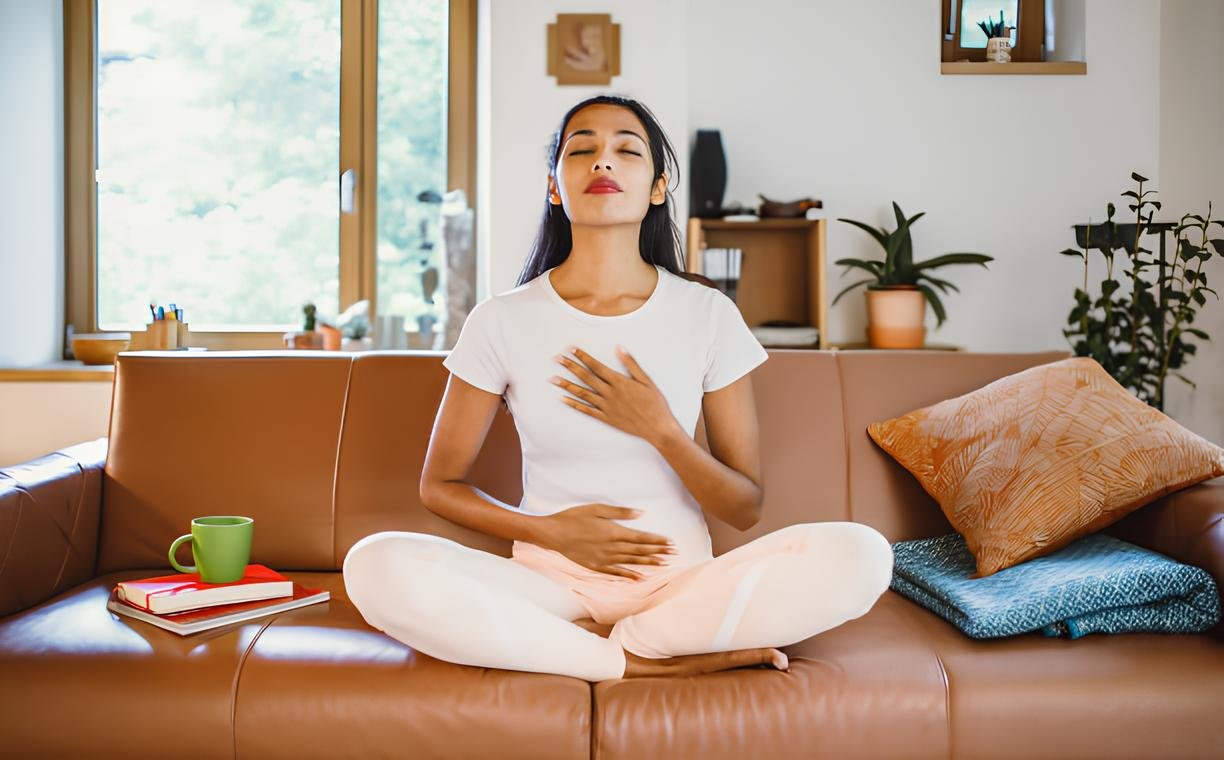
You know the feeling—the heart races, the chest tightens, and your mind spirals into a sea of “what ifs.” Anxiety can show up unexpectedly, sometimes in the middle of a meeting or just before sleep, leaving you feeling trapped in your own body. But what if one of the simplest tools to regain calm was already inside you? Your breath.
Breathing is automatic, but certain ways of breathing can reshape how your brain and body handle stress. Among these, a little-known technique called the 4-7-8 breathing method has gained acclaim for its fast-acting and lasting calming effects. It’s simple enough to do anywhere but powerful enough to help dial down anxiety and invite peace.
Why Breathing Techniques Ease Anxiety
When anxiety strikes, your nervous system feels like it’s on high alert, flooding your body with adrenaline and triggering rapid, shallow breaths that actually feed the cycle of panic. Changing how you breathe signals your brain to slow down and shift from sympathetic “fight or flight” mode into the parasympathetic “rest and digest” state.
Conscious breathing interrupts the loop of anxious thoughts by grounding you in the present moment and regulating the body’s stress response at a physiological level. This means fewer racing thoughts, less muscle tension, and better control over emotional overwhelm.
Among many techniques out there — from box breathing to alternate nostril breathing — the 4-7-8 method stands out for its accessible rhythm and deep calming effect, suitable even for beginners.
What Is the 4-7-8 Breathing Method?
Developed by Dr. Andrew Weil, a well-known integrative medicine physician, the 4-7-8 technique involves inhaling, holding the breath, and exhaling for specific counts. This pattern works as a natural tranquilizer for the nervous system without any pills or equipment.
The numbers 4-7-8 correspond to:
- 4 seconds to inhale deeply through your nose
- 7 seconds to hold the breath comfortably
- 8 seconds to slowly exhale through your mouth with a gentle whooshing sound
This simple cycle resets your breathing, reduces heart rate, and increases oxygen flow in a way that encourages relaxation and mental clarity.
Though it may feel unusual or even a little challenging at first, with practice it becomes an intuitive and incredibly effective tool in your anxiety toolkit.
Step-by-Step Guide to Practice
Ready to try it? Here’s how to get started, whether sitting in your favorite chair or lying in bed:
- Get comfortable. Sit or lie down with your back straight and shoulders relaxed.
- Empty your lungs. Exhale completely to prepare for a fresh breath.
- Inhale quietly through your nose for 4 seconds. Feel your belly and chest expand gently.
- Hold your breath for 7 seconds. Try to stay calm and steady — this pause lets oxygen circulate deeply.
- Exhale fully for 8 seconds through your mouth, creating a low, whispery “whoosh” sound.
- Repeat the cycle 3 more times for a total of 4 breaths in your first session.
At first, you might find the holding phase challenging. That’s normal — your lungs and nervous system just need time to acclimate. Each time, focus on the steady rhythm rather than forcing the breath.
Over time, aim to do up to 8 cycles in a row, especially before stressful events or when anxiety flares.
Practice this method twice a day to build your lung capacity and familiarize your nervous system with calm. Start with sessions in the morning and before bed.
The Science Behind It
This controlled breathing isn’t just mindful mumbo jumbo — it has strong roots in physiology and neuroscience. The 4-7-8 pattern activates the body’s parasympathetic nervous system, which governs relaxation and recuperation.
Research shows that slow, deep breathing helps:
- Lower heart rate and blood pressure
- Reduce cortisol, the stress hormone spike
- Enhance oxygen exchange in the lungs
- Stabilize blood pH, reducing dizziness and agitation
- Improve sleep quality by quieting the mind
A 2017 study published in the journal Frontiers in Human Neuroscience found that breathing exercises similar to 4-7-8 reduce anxiety and emotional distress by influencing brain regions tied to fear and stress regulation.
What’s elegant about this method is how the prolonged exhale increases vagus nerve stimulation. This nerve acts like a brake on heightened stress signals, bringing your body into a calmer balance.
When and Where to Use It
The beauty of the 4-7-8 technique is that it fits into your life seamlessly. No special props, no closed spaces, and no time-consuming steps. Here are some ideal moments for practice:
- Before an anxiety trigger: Whether it’s public speaking, a challenging conversation, or a flight, take a few cycles to ground yourself.
- During a panic attack: When your breath feels out of control, slowing it down with this method helps regain calm.
- At bedtime: Use it as part of your wind-down ritual to quiet mental chatter and prepare for sleep.
- In stressful moments throughout the day: Waiting in line, stuck in traffic, or dealing with difficult news.
Many people report feeling a sensation similar to hitting a “pause” button, allowing space for more thoughtful reactions and emotional resilience.
Tips for Better Results
To maximize benefits and make 4-7-8 work, keep these pointers in mind:
- Don’t overexert: The goal is relaxed breathing, not breathlessness. Stop if you feel lightheaded.
- Consistency > Intensity: Even short daily sessions create profound changes over weeks.
- Combine with mindfulness: Pay attention to sensations in your body to enhance the calming effect.
- Practice in a quiet, comfortable spot at first: This helps you stay focused without distractions.
- Pair with gentle neck and shoulder stretches: This can relieve tension that feeds anxiety.
Remember, it’s normal for the breath to feel uneven when you begin—this won’t last as your lung capacity improves.
If you have chronic respiratory issues such as asthma, COPD, or heart conditions, consult your healthcare provider before adopting new breathing patterns.
Frequently Asked Questions
Can I do the 4-7-8 breathing method when pregnant?
Generally yes, but always clear any new practices with your doctor to ensure it’s safe for your unique situation.
How long does it take to feel benefits?
Many experience a calming effect after just one session, but regular practice over days and weeks deepens the response.
Is it normal to feel dizzy at first?
Yes, especially when you first extend your breath holds. Reduce counts slightly and build up gradually.
Can I use this method for insomnia?
Yes, many people find that 4-7-8 helps them fall asleep faster by relaxing both mind and body.
A Breath Away from Calm
In moments of overwhelm, it’s easy to feel powerless against the flood of anxious feelings. But the 4-7-8 breathing method gently reminds us that the power to calm your nervous system lies within. Just a few intentional breaths can be a lifeline — a quiet invitation to return to yourself, steady and centered.
Start slow, remain gentle with your practice, and notice how each breath deepens your resilience. For additional strategies on managing stress and enhancing mental wellbeing, check out our guide on simple strategies to reduce stress naturally.
With time, you’ll discover that this age-old rhythm offers more than relaxation — it gives you a portable sanctuary whenever stormy feelings rush in.