In This Article
- Why Just 10 Minutes Matters
- How a Short Walk Boosts Your Mood and Mind
- Physical Health Benefits Packed Into 10 Minutes
- Making the Evening Walk a Sustainable Ritual
- Expert Tips to Maximize Your Walk’s Impact
- FAQ About Evening Walks
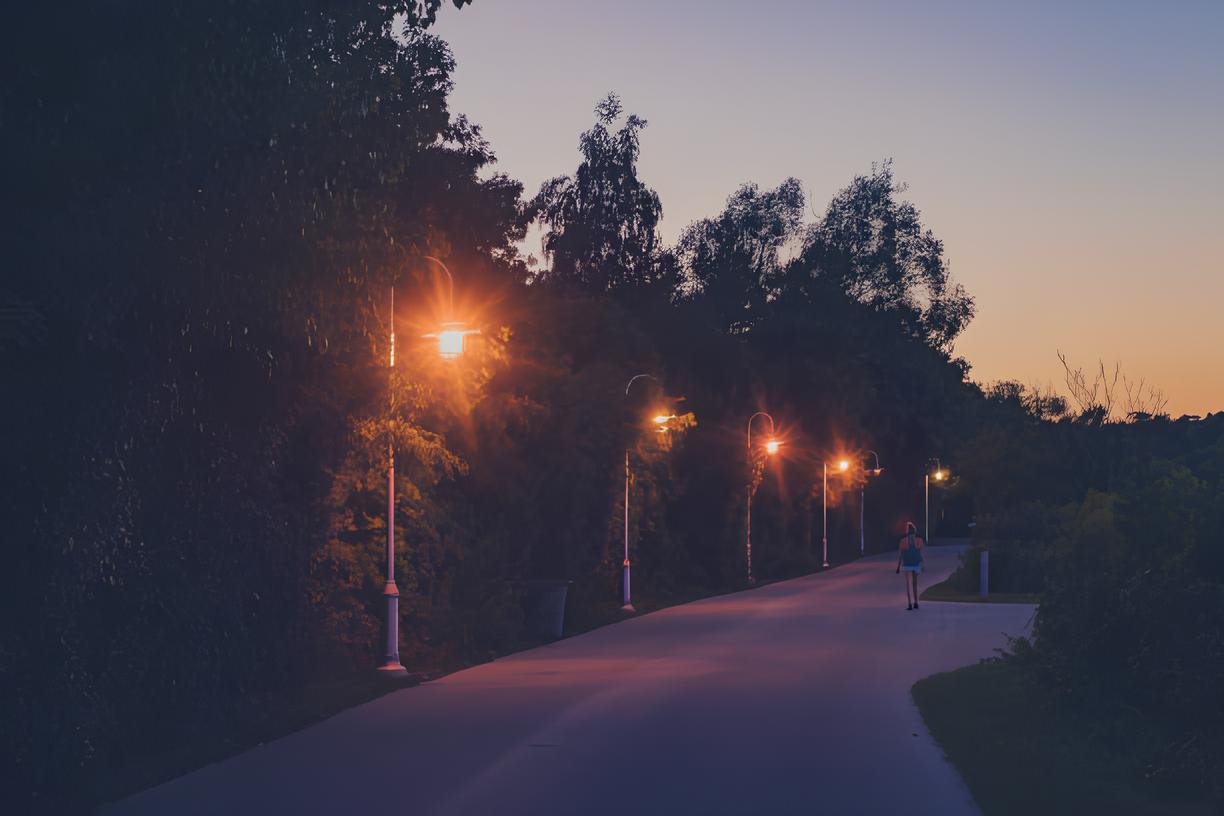
You know that feeling when the day’s digital noise finally fades, and the world around you slows down? Sometimes, stepping outside for a simple stroll at dusk feels like opening a window to fresh air—not just for your lungs but for your entire being. Even a brief 10-minute walk in the evening can unlock surprising opportunities to reset mentally, nurture your body, and gently shed the weight of the day’s stresses.
Have you ever wondered why those few minutes, spent wandering your block or backyard as the sun dips low, often feel so rejuvenating? What if that small time investment could ripple outward into benefits far beyond your expectations?
Why Just 10 Minutes Matters
Often, we think meaningful exercise must stretch for half an hour or more, but recent research suggests that even a short, focused walk can spark substantial changes. Ten minutes might sound modest, but it’s a manageable window—even for the busiest of schedules.
Walking in the evening capitalizes on a unique balance of body rhythms and environment. As daylight wanes, your body naturally starts winding down, making it an ideal time to gently engage your muscles and mind without overstimulation.
It’s the perfect “movement snack” that doesn’t demand special gear or intense effort, yet can become a critical piece in a larger wellness puzzle. Whether you crave mental quiet, improved sleep, or physical restoration, a 10-minute evening walk delivers a surprising multitasking effect.
How a Short Walk Boosts Your Mood and Mind
Walking is much more than a physical activity; it’s a powerful antidote to the chronic stress and cognitive clutter many of us suffer daily.
Consider this: a stroll outdoors activates your parasympathetic nervous system — your body’s “rest and digest” response — helping to lower heart rate and blood pressure. The rhythmic movement combined with natural light exposure even after sunset encourages the production of neurotransmitters like serotonin and endorphins, the body’s natural mood lifters.
In fact, studies report that walking outdoors for as little as 10 minutes reduces anxiety, mitigates depressive symptoms, and improves overall mental clarity. And since it’s timed near the day’s end, it also helps shed pent-up tension from work or family stressors, leaving space for relaxation.
The sensory details matter: the breeze on your face, the gentle crunch of leaves underfoot, or the soft fading colors of twilight — they engage mindfulness naturally. If you tune into the present moment during your walk, you’re also practicing a gentle form of meditation, helping quiet racing thoughts.
Try leaving your phone behind or on silent during your walk to fully immerse yourself and promote mental reset.
Physical Health Benefits Packed Into 10 Minutes
Don’t underestimate this simple activity’s power to support your body. Ten focused minutes of walking can kickstart cardiovascular health by gently increasing your heart rate and promoting circulation. Over time, this helps reduce the risk of heart disease and boosts endurance.
Feel stiff from sitting all day? Walking helps loosen tight muscles and lubricate joints, especially in the hips, knees, and ankles. For many, this natural motion alleviates discomfort and promotes mobility.
Plus, walking aids digestion and blood sugar regulation, making it a practical choice after dinner. It’s even linked to improving insulin sensitivity—an important factor for metabolic health.
What’s most exciting is the cumulative effect. Regular 10-minute walks add up to a significant portion of your recommended daily activity without fatigue or time stress.
And if you want to further amplify your physical wellbeing, consider complementing your walking habit with gentle stretching or low-impact exercises. You might find inspiration in our post about how to incorporate mindful movement into a busy schedule.
Making the Evening Walk a Sustainable Ritual
Starting a new habit can be daunting, but the evening walk lends itself beautifully to ritualization. Because it aligns with natural rhythms and requires minimal setup, it’s easier to maintain than other forms of exercise.
Try anchoring your walk to an existing habit, like after brushing your teeth or right after dinner. Consistency at the same time each day helps cement it into your routine.
Setting out walking shoes near the door as a visual cue or enlisting a family member to join can boost motivation. If weather or safety is a concern, indoor walking routes or nearby malls offer alternative spaces.
Notice the changes over the weeks — better sleep, improved mood, more energy — and let those feelings fuel your commitment. Habit stacking also helps; consider pairing your walk with listening to a favorite podcast or an audiobook you’ve been meaning to explore.
Expert Tips to Maximize Your Walk’s Impact
- Choose a Moderate Pace: Aim for a brisk walk that still allows conversation or comfortable breathing.
- Focus on Posture: Keep your shoulders relaxed, back straight, and engage your core for added benefits.
- Add Variation: Explore different routes to keep your walks interesting and stimulate the senses.
- Timing Matters: Try to avoid right after a heavy meal—wait 10-15 minutes before stepping out to aid digestion.
- Wear Comfortable Shoes: Good support reduces injury risk and makes your walk more enjoyable.
- Practice Mindfulness: Notice sights, sounds, and sensations around you to deepen relaxation and presence.
If you have existing health conditions, consult your healthcare provider before starting an evening walking routine.
FAQ About Evening Walks
Can a 10-minute walk really improve sleep?
Yes. Engaging in light physical activity in the evening helps regulate your circadian rhythm and can promote deeper, more restful sleep.
Is walking after dinner good for digestion?
Absolutely. A gentle walk can stimulate digestion and reduce post-meal bloating or discomfort.
What’s the best time for an evening walk?
Ideally, 30 to 60 minutes before bedtime. This timing allows your body to cool down and prepare for sleep after the walk.
How do I stay safe walking when it gets dark?
Wear reflective clothing, carry a flashlight or use paths with adequate lighting. Walking with a companion can also enhance safety and enjoyment.
Stepping Toward a Calmer Night and Healthier Tomorrow
Walking for just 10 minutes each evening is a deceptively simple practice with the potential to transform how you feel physically and emotionally. It stitches a thread of calm and movement into the fabric of your day, helping you shed stress and make space for rest. And as these small walks accumulate, they build a foundation for better health, clearer thinking, and more restful evenings.
Start where you are—with your own neighborhood, a quiet street, or even your garden path—and watch how this gentle ritual becomes a cherished moment in your day. If you’re looking for other natural ways to elevate your mood and energy, our guide to boosting natural energy without caffeine may inspire you further.