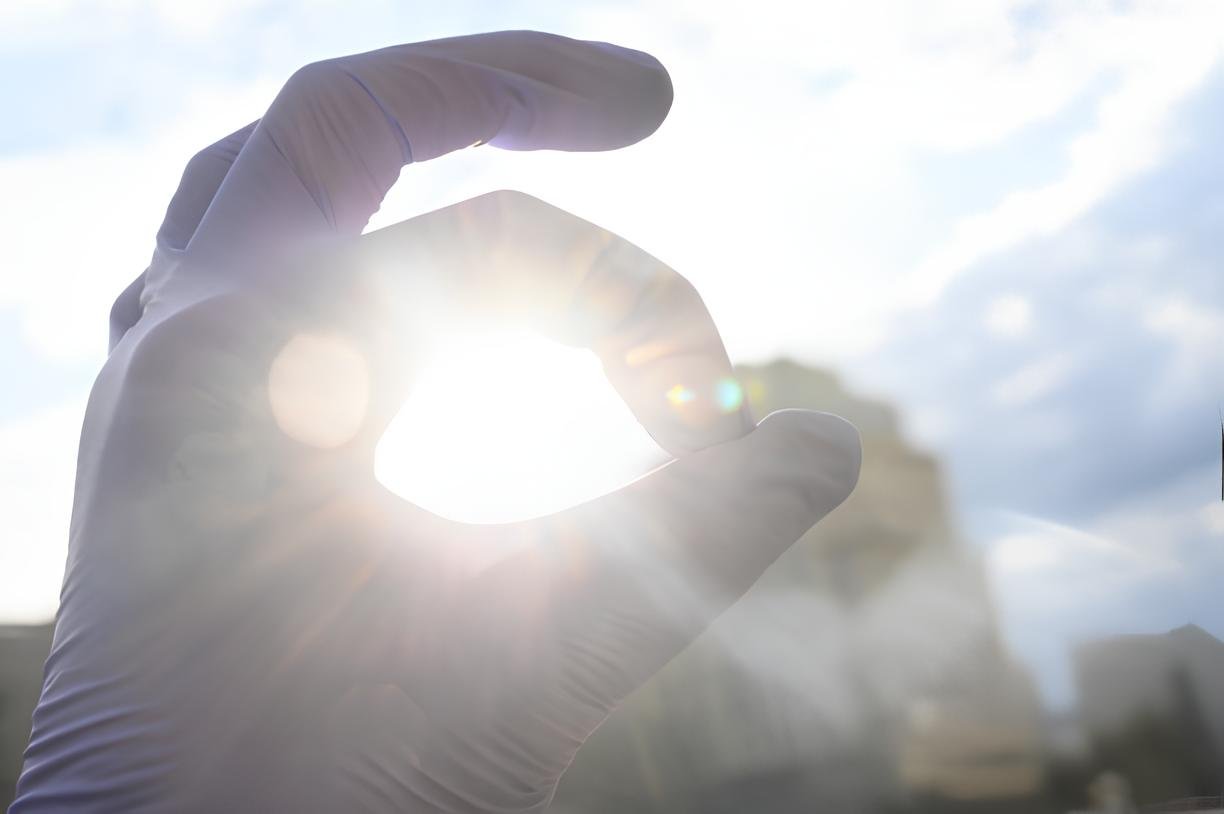
Remember that warm, peaceful sensation when sunlight streams through your window on a crisp morning? That comforting embrace does more than just cheer up your room—it nudges your brain into a brighter, more balanced mood. Many of us instinctively crave sunshine on gloomy days, but have you ever wondered what exactly happens inside your body when you soak up those golden rays? The secret lies in a fascinating dance of biology and light, one that triggers the release of serotonin, often dubbed the “feel-good hormone.”
Just like a gentle conversation with an old friend or a burst of laughter, sunlight has a powerful yet natural way to boost our spirits. But why does this happen? And how can understanding this science deepen your connection with the simple act of stepping outside?
What Is Serotonin?
Serotonin is a neurotransmitter, a chemical messenger that carries signals between nerve cells in your brain throughout your nervous system. Often called the “feel-good” or “happy” hormone, serotonin helps regulate mood, anxiety, and happiness. But its influence goes well beyond emotions.
Serotonin also plays key roles in:
- Regulating sleep cycles
- Appetite and digestion
- Memory and learning
- Body temperature control
- Sexual desire and function
Without enough serotonin, you might experience feelings of sadness, irritability, or depression. But the good news is that serotonin levels are influenced by many factors, including sunlight exposure.
How Sunlight Influences Serotonin Production
When sunlight hits your skin and eyes, it sparks a complex biological process that ultimately leads to an increase in serotonin synthesis. Ultraviolet B (UVB) rays help convert a form of cholesterol in the skin into vitamin D, which indirectly supports serotonin production.
More directly, the brightness of sunlight stimulates specialized photoreceptors in your eyes, which send signals to your brain’s serotonin-producing regions.
This is why even a brief sunny walk on a cloudless day can improve your mood and energy — your brain responds to the light by flooding the system with serotonin, enhancing alertness and emotional balance.
The Science of Light Intensity and Wavelength
Not all light affects serotonin the same way. Bright outdoor sunlight contains a range of wavelengths, including blue light, which is particularly effective in stimulating serotonin release.
Indoor lighting, no matter how bright it feels, rarely matches the intensity or spectral quality of natural sunlight, which explains why people indoors for long periods might feel more sluggish or moody.
The Role of the Eyes and Brain
Your eyes are more than just vision organs—they are also crucial light sensors helping regulate your internal biological clock and mood. When light enters the eyes, it activates the retina’s specialized cells, which send signals through the optic nerve to a deep brain region called the suprachiasmatic nucleus (SCN).
The SCN coordinates your body’s circadian rhythms, governing sleep-wake cycles and hormone secretion patterns. This includes triggering the release of serotonin in parts of the brain responsible for mood regulation, such as the raphe nuclei.
This pathway is why a well-lit morning can set the tone for how energized and emotionally balanced you feel all day.
To support serotonin production, try to spend at least 15 minutes outdoors in natural sunlight early each day, ideally without sunglasses to let light reach the retina, but of course, avoid staring directly at the sun.
Serotonin’s Impact on Mood and Health
Serotonin’s influence on mood is well-documented — higher serotonin levels generally correspond to feelings of happiness, calmness, and focus. This neurotransmitter enhances your brain’s ability to regulate emotions, making it a vital part of emotional resilience.
Medications like selective serotonin reuptake inhibitors (SSRIs) work by increasing the availability of serotonin in the brain, highlighting serotonin’s central role in managing depression and anxiety.
But serotonin’s reach extends into physical health too. For example, serotonin impacts appetite regulation, digestion processes, bone health, and cardiovascular function. It’s a master regulator linking mind and body.
Why Seasonal Affective Disorder Happens
Seasonal Affective Disorder (SAD) is a form of depression that occurs cyclically during the darker months when sunlight exposure is limited. The drop in serotonin levels due to reduced light is a primary contributing factor.
With less sunlight, the brain produces less serotonin, which can lead to symptoms like fatigue, low mood, difficulty concentrating, and changes in appetite and sleep patterns.
Understanding the science behind sunlight’s role helps explain why light therapy is an effective treatment for SAD. Specialized light boxes mimic the spectral quality of sunlight to stimulate serotonin production even during winter.
Maximizing the Benefits of Sunlight Safely
While sunlight is a powerful mood booster, it’s important to balance exposure with skin health. Here’s how to enjoy sunlight’s serotonin-enhancing benefits without the risks associated with UV radiation:
- Time it right: Aim for early morning or late afternoon sun, when UV levels are lower but light intensity is still sufficient.
- Limit prolonged direct exposure: Generally, 15–30 minutes a day is enough for serotonin increase and vitamin D synthesis.
- Protect sensitive skin: Use sunscreen or protective clothing if spending longer outdoors, especially at midday.
- Bring nature indoors: Bright natural light through windows helps maintain mood, though it’s less potent than direct sunlight.
Incorporating natural sunlight exposure pairs beautifully with other health habits that support brain and body well-being. For example, complementing outdoor time with gentle natural energy-boosting routines and peaceful environments can help maintain consistent serotonin balance and emotional wellness.
Remember: Excessive sun exposure increases the risk of skin damage and cancer. Always listen to your skin and consult professionals about your sun safety needs.
Frequently Asked Questions
How much sunlight do I need to boost serotonin?
Around 15 to 30 minutes of direct sunlight daily is typically sufficient, but this varies depending on skin type, location, and season.
Can artificial light replace sunlight for serotonin production?
Specialized bright light therapy lamps can help, especially during winter or for those with limited outdoor access, but natural sunlight remains the most effective source.
Does vitamin D influence serotonin?
Yes, vitamin D helps regulate enzymes involved in serotonin synthesis, linking sun exposure, serotonin, and overall well-being.
Why do some people feel energized in sunlight, while others don’t?
Factors like genetics, existing mood disorders, lifestyle habits, and environment can affect how sunlight influences serotonin and mood.
Step Into the Light for a Brighter Mood
Sunlight is one of nature’s simplest yet most profound mood enhancers, deeply woven into our biology through serotonin. Understanding how light shapes your brain chemistry invites a new appreciation for those everyday moments outside—the warmth on your skin, the clarity of morning light, the calm that follows a sunny stroll.
Next time you feel a bit off or low energy, consider stepping into the sunlight as a natural, science-backed pick-me-up. It’s more than just light; it’s a bridge to balance, resilience, and joy.
For more inspiration on how everyday choices can elevate your well-being, explore tips on boosting your natural energy—all rooted in nurturing your body and mind together.