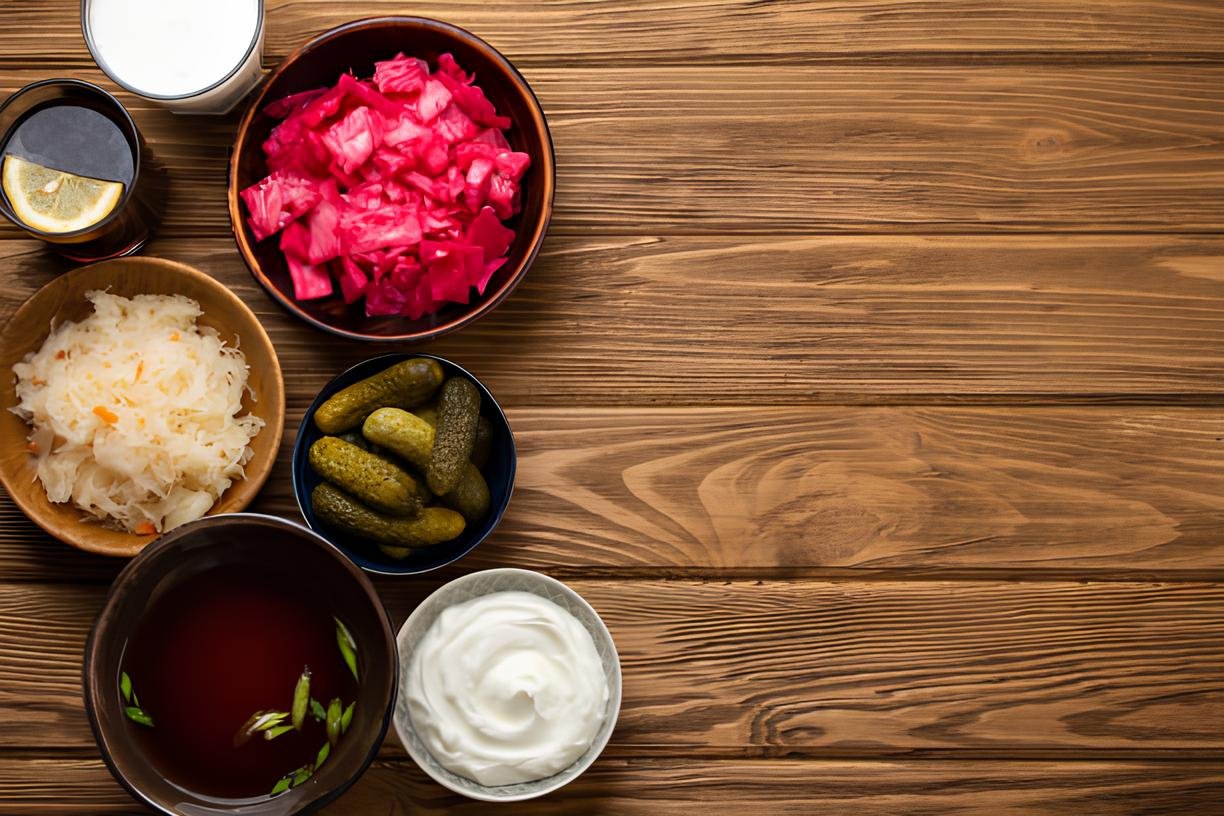
Imagine sitting down to a simple bowl of sauerkraut or a spoonful of tangy kimchi and discovering that this humble bite is doing wonders for your body—not just your taste buds. For centuries, cultures around the world have relied on fermented foods, yet only recently has science begun to uncover why these age-old staples hold such remarkable health benefits that go far beyond flavor.
What Are Fermented Foods?
Fermentation is a natural process where microorganisms like bacteria, yeast, and fungi break down sugars and starches in food, producing beneficial enzymes and acids. This not only preserves the food but also creates distinctive flavors and textures. Think of tangy yogurt, bubbly kombucha, peppery sauerkraut, sharp miso, or spicy kimchi—each a delicious example of fermentation at work.
Unlike pasteurized or highly processed products, fermented foods contain live cultures, often labeled as probiotics, which can positively influence your body’s internal ecosystem.
How Fermented Foods Boost Gut Health
Your digestive system is home to trillions of bacteria, fungi, and other microbes making up the gut microbiota. This community plays a critical role in digestion, nutrient absorption, and overall health. Eating fermented foods can support this ecosystem by introducing beneficial bacteria that help maintain balance and diversity.
Fermented foods act as natural probiotics, enhancing the number and variety of good bacteria, which can:
- Improve digestion and reduce bloating
- Help alleviate symptoms of irritable bowel syndrome (IBS)
- Promote regular bowel movements
- Support gut barrier function, reducing “leaky gut” risks
Research in nutrition sciences increasingly points to the gut’s role beyond just digestion—it’s connected to many aspects of health, including immunity and even mood.
If you’re new to fermented foods, start slowly by adding small servings to meals to allow your gut to adjust gradually and avoid digestive discomfort.
The Surprising Link to Immune Support
Your immune system and gut are deeply connected. Over 70% of immune cells reside in your intestines, constantly interacting with gut microbes. When your gut flora thrives, your immune response is better regulated to defend against infections without becoming overactive and causing inflammation.
Fermented foods help:
- Stimulate production of key immune-regulating compounds
- Reduce systemic inflammation linked to chronic diseases
- Support the development of antibodies
- May decrease the duration and severity of common colds and flu
Experts often emphasize adding fermented foods as part of an overall anti-inflammatory diet, synergizing well with plant-based ingredients and nutrient-rich whole foods.
Fermented Foods and Mental Wellbeing
Have you ever felt a “gut feeling” or butterflies in your stomach? It turns out, your gut and brain communicate constantly through the gut-brain axis.
Emerging studies link balanced gut bacteria with improved mood regulation and reduced anxiety and depression symptoms. Fermented foods contribute to this by:
- Producing neurotransmitters like serotonin, often called the “feel-good hormone”
- Lowering stress hormones such as cortisol
- Enhancing resilience to mental stressors
While eating fermented foods is not a replacement for mental health treatment, incorporating them can be a valuable part of a holistic approach to emotional wellbeing.
Radiant Skin from the Inside Out
Your skin often reflects your internal health, and gut balance plays a crucial role in skin conditions like acne, eczema, and rosacea.
Some fermented foods can:
- Support detoxification pathways by aiding digestion and elimination
- Contain antioxidants that help reduce skin inflammation and oxidative stress
- Promote collagen production, improving skin elasticity and moisture
Fermented dairy like yogurt and kefir also provide proteins and probiotics known for enhancing skin appearance. For those looking to customize their skincare from the inside, pairing fermented foods with nutrient-dense diets offers promising benefits.
Easy Ways to Add Fermented Foods to Your Diet
Adding a variety of fermented foods into your meals doesn’t have to be complicated. Here are some simple, tasty ideas:
- Start the day with yogurt or kefir—blend into smoothies or top with fruit and nuts.
- Add sauerkraut or kimchi as a flavorful side to sandwiches, bowls, or grilled proteins.
- Swap soda for kombucha, a lightly fermented tea drink with natural fizz.
- Incorporate miso paste into soups, marinades, and salad dressings for an umami boost.
- Try fermented pickles as snacks—choose those made naturally without vinegar for maximum benefits.
Like cultivating any habit, regularity matters. Small amounts consistently will better support your gut and overall health.
What You Should Know Before You Start
Although fermented foods offer many benefits, there are a few things to keep in mind:
- Sodium content: Some fermented products, like sauerkraut, can be high in salt. Moderation is key, especially if you monitor blood pressure.
- Digestive sensitivity: Begin with small portions to avoid gas or bloating as your gut adapts.
- Histamine intolerance: Fermented foods contain histamines which may trigger reactions in sensitive individuals.
- Quality matters: Choose products with live cultures and minimal preservatives to gain full probiotic advantages.
If you have health conditions or are immunocompromised, it’s wise to consult your healthcare provider before making fermented foods a prominent part of your diet.
People with compromised immune systems or digestive disorders should approach fermented foods cautiously and seek medical advice before increasing intake.
Harnessing Nature’s Fermentation: A Step Toward Vital Health
Fermented foods aren’t just culinary trends or exotic flavors—they are deeply nourishing agents that connect us with powerful traditions and modern science alike. By thoughtfully integrating them into your diet, you’re aiding digestion, boosting immunity, supporting mental balance, and enhancing your skin’s glow—benefits that ripple through your whole wellbeing.
To complement fermented foods, cultivating other healthy habits can amplify your results. For example, pairing the digestive benefits with ways to boost natural energy without caffeine can create sustained vitality throughout your day.
Try exploring and savoring the diversity of fermentation—each spoonful is a small but meaningful step toward a healthier, more vibrant you.