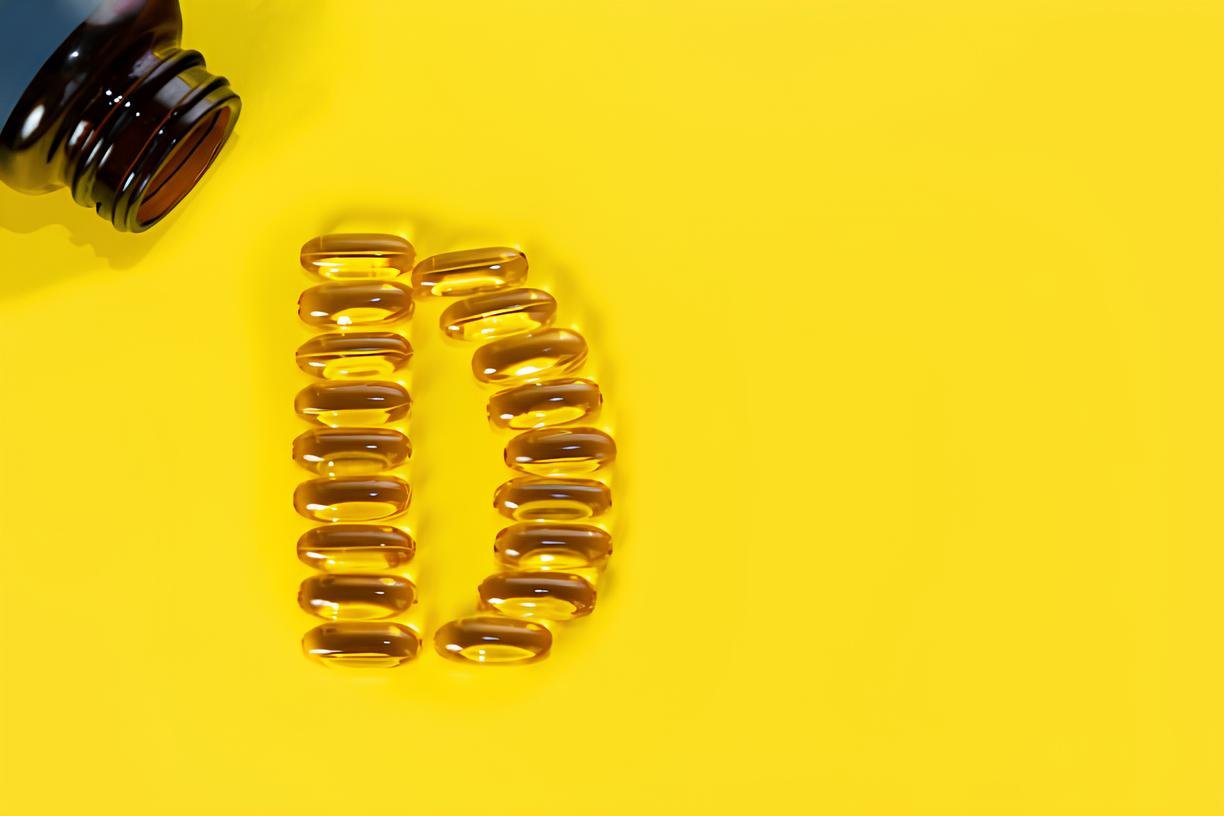
Ever find yourself dragging through the day despite a full night’s sleep? That unexplained fatigue can be frustrating and, frankly, puzzling. While countless factors affect our energy, there’s one nutrient that often flies under the radar but plays an outsized role in fueling vitality: vitamin D. Could the sunshine vitamin be the secret key to unlocking more pep in your step?
Understanding Vitamin D: More Than Just Bone Health
Vitamin D is often called the “sunshine vitamin” because your skin produces it when exposed to sunlight. While most people associate it with calcium absorption and bone strength, vitamin D is a multitasker in your body. It supports immune function, mood regulation, and yes, energy metabolism.
This fat-soluble vitamin acts more like a hormone, communicating signals between cells and organs. It’s involved in hundreds of biological processes and is critical for overall vitality. When levels dip, feeling tired and sluggish can be one of the earliest clues something is off balance.
How Vitamin D Influences Your Energy Levels
Your energy depends on how efficiently your cells can convert nutrients into usable fuel. Vitamin D plays several subtle but important roles in this process:
- Supports Mitochondrial Health: Mitochondria are the “power plants” of cells, producing the energy molecule ATP. Research suggests vitamin D helps optimize mitochondrial function, leading to better energy production.
- Regulates Muscle Function: Adequate vitamin D helps maintain muscle strength and performance, reducing feelings of weakness that contribute to fatigue.
- Modulates Inflammation: Chronic low-level inflammation drains energy and can disrupt metabolism. Vitamin D helps calm inflammatory responses, indirectly preserving your stamina.
- Boosts Mood and Cognitive Function: Vitamin D receptors are found in the brain areas that regulate mood and cognitive alertness. Improving these can make you feel more energized mentally as well as physically.
In other words, vitamin D doesn’t just fight fatigue by giving you a quick boost — it works at a cellular and systemic level to keep your energy flowing naturally throughout the day.
Signs You Might Be Low in Vitamin D
Fatigue is a common yet vague symptom of vitamin D deficiency, but you might notice other signs as well, including:
- Muscle aches or weakness
- Bone pain or increased fractures
- Frequent infections or slow healing
- Low mood, increased irritability, or feelings of depression
- Difficulty concentrating or “brain fog”
If these symptoms sound familiar, especially if you live in northern latitudes, spend most of your time indoors, or have darker skin (which synthesizes less vitamin D), it might be time to get your levels checked through a simple blood test.
Very high doses of vitamin D without medical supervision can lead to toxicity, causing nausea, weakness, and kidney issues — always consult a healthcare provider before starting supplements.
Natural and Supplemental Sources of Vitamin D
Getting enough vitamin D can be a balancing act between sun exposure, diet, and supplementation. Here’s a breakdown of the sources that help boost your levels:
1. Sunlight
Direct sunlight on bare skin triggers vitamin D synthesis. Ideally, 10–30 minutes several times a week — depending on skin tone, season, and location — can maintain adequate levels. But factors like sunscreen use, indoor lifestyle, and weather often limit this natural production.
2. Food
Vitamin D is scarce in most foods, but these options provide some of the best natural sources:
- Fatty fish: Salmon, mackerel, sardines, and tuna
- Cod liver oil: An old-fashioned but potent source
- Fortified foods: Milk, orange juice, cereals, and plant milks often have vitamin D added
- Egg yolks and cheese: Contain modest amounts
3. Supplements
When sunlight and diet aren’t enough, vitamin D supplements — usually D3 (cholecalciferol) — can fill the gap. They come in various doses, from gentle daily amounts to high-dose weekly or monthly formulas prescribed by doctors.
Smart Ways to Boost Vitamin D Safely
While boosting vitamin D sounds simple, here are some tips to optimize your intake and absorption:
- Spend time outdoors: Even moderate sun exposure can help, but avoid sunburn. Midday sun exposure tends to be most effective.
- Eat vitamin D-rich meals with fats: Vitamin D is fat-soluble, so consuming it with healthy fats enhances absorption.
- Consult your doctor before supplementing: Get your vitamin D levels tested and discuss an appropriate dose.
- Be consistent: Vitamin D builds up over time, so regular sun exposure and/or supplementation is more effective than sporadic high doses.
Pair vitamin D supplements with a meal containing healthy fats like avocado or olive oil to improve absorption and reduce stomach discomfort.
Expert Insights on Vitamin D and Energy
“Vitamin D is fundamental for mitochondrial function and muscle health, both of which are critical for maintaining energy throughout the day. Low levels often contribute to the chronic fatigue patients experience.”
Dr. Lopez encourages routine vitamin D screening in patients presenting with unexplained fatigue, especially seniors and those with limited sun exposure. “Complementing vitamin D optimization with lifestyle changes like regular physical activity can dramatically improve general well-being,” she notes.
Common Questions About Vitamin D and Fatigue
How long does it take to feel more energetic after starting vitamin D?
Energy improvements may take several weeks to several months, depending on how deficient you were to start with and other health factors.
Can I get too much vitamin D from sun exposure?
It’s very unlikely; your skin naturally limits vitamin D production after a certain point, but excessive sun exposure brings its own risks like skin damage.
Is vitamin D deficiency common?
Yes, it’s estimated that over 40% of adults in some regions are deficient, especially during winter months or in areas with limited sunlight.
Do vitamin D supplements help with fatigue related to other conditions?
Supplementing vitamin D can support overall energy but is not a substitute for treating underlying disorders such as sleep apnea, anemia, or thyroid disease.
A Brighter Day Starts with Vitamin D
Balancing your vitamin D levels is more than just a bone health issue — it’s a vital component in the symphony of your body’s energy production and overall vitality. While there’s no one-size-fits-all solution, paying attention to this often-overlooked nutrient can be a game-changer for anyone tired of feeling tired.
Whether it’s through a well-planned combination of sensible sun exposure, nutrient-rich foods, or targeted supplementation, prioritizing vitamin D can help you take charge of your energy and well-being. And as with all health steps, tuning into your body and working with healthcare professionals ensures you find the best balance for your unique needs.
Looking to enhance your natural vitality further? Explore our tips on how to boost your natural energy without caffeine this summer for sustainable and refreshing energy solutions that complement a vitamin D-rich lifestyle.