Ever wake up expecting clearer skin after a night of diligent care, only to find pesky breakouts mocking your efforts? You follow the routine—gentle cleansers, targeted treatments, spot-on moisturizers—but something seems off. Could the secret saboteur be hiding right under your nose — or rather, under your pillow?
It turns out, the humble pillowcase, an overlooked part of your nightly environment, might be quietly undermining your acne-fighting ritual. From bacteria buildup to fabric friction, your pillowcase can create a perfect storm that derails your skin’s healing journey.
Why Your Pillowcase Could Be an Acne Trigger
If you’re dedicated to your acne routine but still battling breakouts, it might be time to look beyond serums and cleansers. Your pillowcase comes into direct contact with your skin for several hours every night—making it a hotspot for bacteria, oils, and dead skin cells.
Over time, this accumulation can clog pores and irritate sensitive, acne-prone skin. Even the gentlest skincare products can be overwhelmed by the unseen grime resting beneath your face during sleep.
Not only does this persistent contaminant buildup create a breeding ground for bacteria that love to incite inflammation, but the physical texture of the pillowcase fabric can also exacerbate irritation and friction-induced acne, leading to the dreaded acne mechanica.
The Bacterial Link: What You’re Sleeping On Matters
Scientific studies highlight that our pillowcases harbor a cocktail of microbes that multiply rapidly between washes. Human skin sheds tens of thousands of cells every hour, along with oils (sebum) and makeup residues. This debris settles onto pillowcases, creating an inviting environment for acne-causing bacteria like Cutibacterium acnes.
One research analysis found that bacterial colonies can flourish up to 17 times the initial amount within just two nights of use. Imagine putting your face against a surface loaded with bacteria, dirt, and oils every single night—it’s no surprise that it can frustrate even the most meticulous skincare efforts.
And it’s not just bacteria. Fungi and dust mites also make themselves at home in fabric, possibly contributing to inflammation and clogged pores.
Aim to wash your pillowcases at least once a week—more frequently if you have oily or acne-prone skin—to keep bacterial buildup in check.
Fabric Types and How They Affect Acne-Prone Skin
Not all pillowcases are created equal. The material you choose can influence friction, sweat retention, and breathability—all vital factors when managing acne.
Cotton is the classic choice for breathability and softness. However, cheap or rough cotton can cause friction, irritating the skin and worsening breakouts.
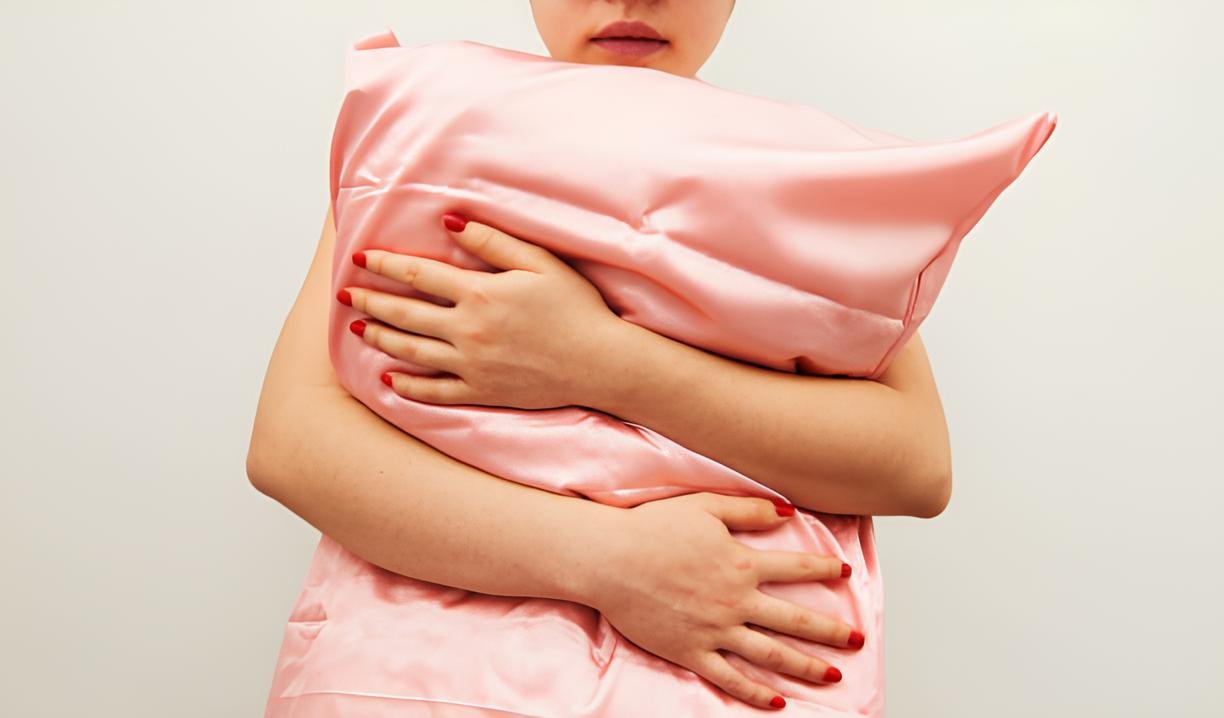
Silk and satin pillowcases have gained popularity in skincare circles for their smooth surfaces that reduce mechanical irritation, keeping skin calm and helping retain moisture. Their low friction quality means fewer fine lines and less acne mechanica.
Bamboo pillowcases offer breathability, moisture-wicking properties, and natural antibacterial effects, making them a smart choice for sensitive or acne-prone skin.
Conversely, synthetic fabrics like polyester may trap heat and moisture, encouraging bacteria growth and sweat accumulation. They are usually best avoided for acne care.
Choosing the Right Pillowcase for Clearer Skin
Here’s what to keep in mind when selecting a pillowcase that supports your acne routine:
- Prioritize natural, breathable fibers like silk, satin, or bamboo to minimize irritation and sweat buildup.
- Look for tightly woven fabrics that resist accumulating dirt yet feel gentle on delicate facial skin.
- Consider pillowcases with antibacterial or hypoallergenic finishes, especially if your skin is reactive.
- Size and fit matter. Ensure your pillowcase fits snugly to avoid creases where oils and bacteria gather.
- Choose light colors or white to more easily spot stains and know when it’s time for a wash.
How to Keep Your Pillowcase Acne-Friendly
Even the best pillowcase needs proper care to stay skin-friendly.
- Wash weekly: Use a gentle, fragrance-free detergent that won’t irritate your skin but removes oils and dirt effectively.
- Skip fabric softeners: They can leave residues that clog pores and sensitize skin.
- Wash in hot water (at least 130°F/54°C) to kill bacteria and dust mites.
- Wash your hair before bed: Oils and styling products transfer to your pillowcase and skin.
- Change pillowcases immediately after breakouts worsen to reduce bacterial load.
- Consider using two pillowcases per night if you sweat heavily, swapping halfway through.
Avoid using harsh detergents or excessive washing cycles that can degrade delicate fabrics and contribute to micro-tears in pillowcases, which host more bacteria.
Does Changing My Pillowcase Really Make a Difference?
How often should I change or wash my pillowcase?
Weekly washing strikes a good balance to keep oils, dirt, and bacteria from piling up.
Can silk pillowcases prevent all acne breakouts?
While silk reduces friction and irritation, it’s part of a holistic routine including cleansing, treatments, and lifestyle.
Is it enough to just flip my pillowcase?
Flipping delays grime buildup on one side but doesn’t replace the need for regular washing and changing.
What if I sweat a lot at night?
Choose breathable fabrics like bamboo or silk and consider changing pillowcases more often to keep skin clear.
Creating a Sleep Environment That Supports Your Skin’s Health
Your pillowcase is just one piece in the puzzle of a skin-friendly bedroom. You might also want to consider refreshing your linens regularly, keeping your sleeping space clean, and maintaining a cool room temperature to reduce sweat and oil production.
Skincare isn’t just about what you put on your face—it’s also about what you rest your face on. Just as creating a calming bedroom sanctuary supports overall rest and well-being, thoughtful pillowcase choices impact skin health profoundly.
Making the switch to the right pillowcase and embracing proper care habits could be the subtle yet powerful hack your acne routine has been missing. Your skin deserves to wake up not just cleansed and nourished but also resting on a clean, gentle surface that nurtures its recovery.